Perwear
Entry 00 · The questionHorizon 3 years · Figures in USD · All estimates given as ranges

Which pair is
actually cheaper?

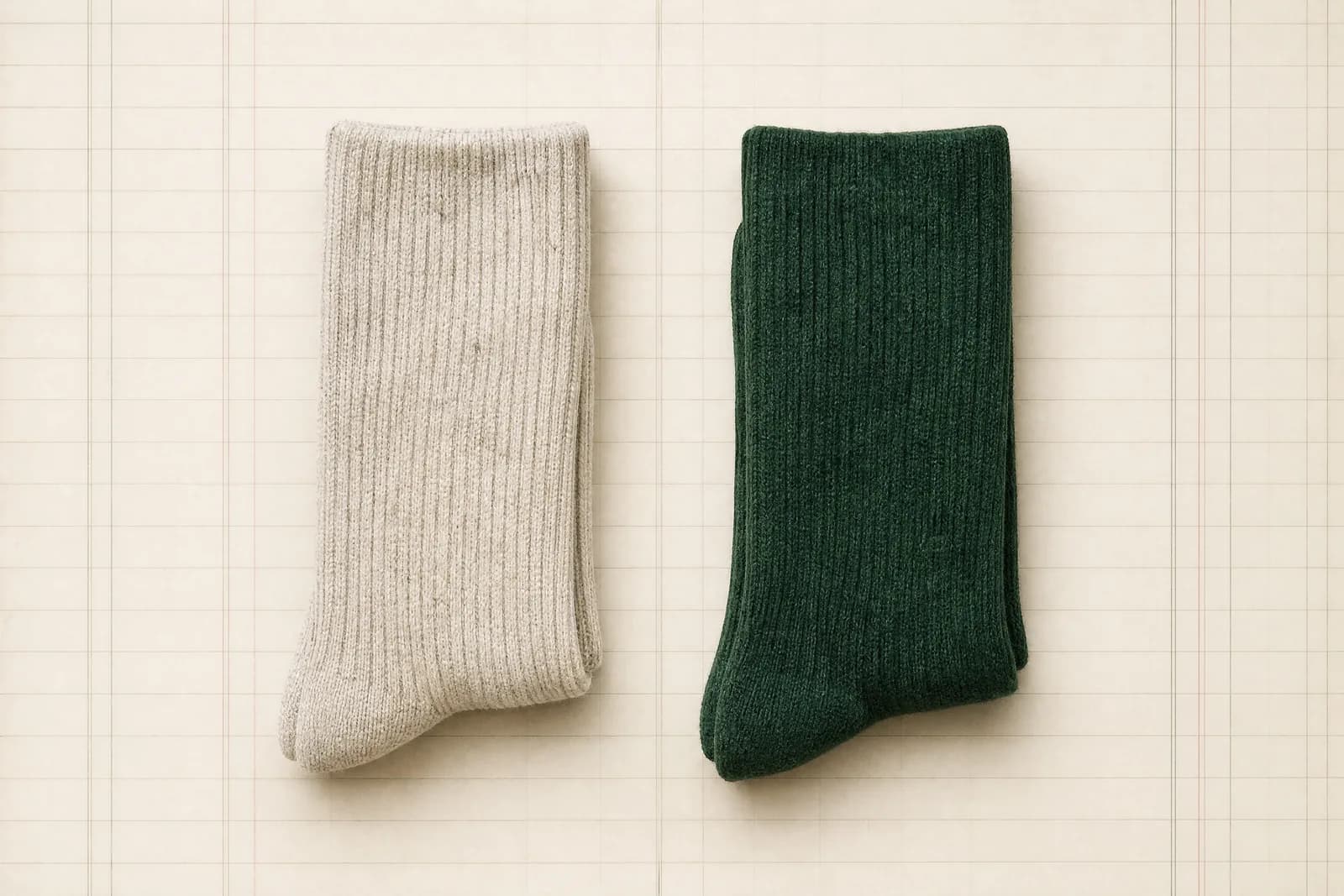
A price on a shelf is not what a pair of socks costs you. What it costs you is that price divided by the number of times you get to put them on. Two pairs four times apart in price can land on the same figure — or three times apart. It depends entirely on which two.

What does each one cost you?

You tell us what they cost. We only work out how far that money goes. These two are worked examples with a construction already filled in — change either figure and every number on this page follows.

Cost per wear, as realised

Over 3 years at 3 a week
Pair Asolid
$0.065–$0.12847–93 wears
Pair Bdiagonal hatch
$0.049–$0.140143–407 wears
a week

At 3 a week the two are level: Pair B at $0.049–$0.140 and Pair A at $0.065–$0.128 per wear. On cost alone there is nothing to choose between them.

The two swap places at about 2.5 wears a week. Drag across that point and the answer reverses.

Where the two curves cross

Cumulative spend

From wear 211 onward, Pair B has cost you less in total than replacing Pair A as it wears out.

At 3 wears a week that is about 70 weeks, or roughly 1.4 years. Whether that is a long time depends entirely on how long you expect to keep them.

When the cheaper pair wins

The dearer pair does not always win, and a tool that pretends otherwise is a shop assistant.

This list is worked out from the same figures as the charts, it is shown on every plan including the free one, and it is never covered by a watermark.

  • 01Below about 2.5 times a week, the ranking reverses. Over 3 years at that rate you never reach the dearer pair's break-even point, so you would be paying for wears you never take. At or under that frequency the cheaper pair is the better buy.
  • 02If a pair is likely to go missing before it wears out — travel, the gym, a shared laundry — loss rate beats wear rate and the cheaper pair wins. Durability you never get to use is money spent on nothing.
  • 03In severe conditions — work boots, long-distance walking, abrasive site work — no sock lasts long enough for the difference in construction to pay for itself. Everything wears out fast, so the lower purchase price is what counts.

What this cannot know

Every one of these changes the answer, and none of them is visible in a photograph.

  • 01How you launder them. Tumble drying is the single largest factor within your control and can take a third or more off the count; so can washing above 40 °C.
  • 02How hard you wear them. A sock worn for a desk day and a sock worn for a twelve-hour shift are not doing the same work.
  • 03The state of your shoes. A worn insole or a rough seam inside the shoe will out-abrade anything the sock's own construction can resist.
  • 04Whether a pair goes missing, shrinks, or is retired on looks before it ever wears through. Most socks are thrown out, not worn out.
  • 05How well the fit holds. A sock that has gone slack slides against the foot and abrades faster than the fibre alone would suggest.
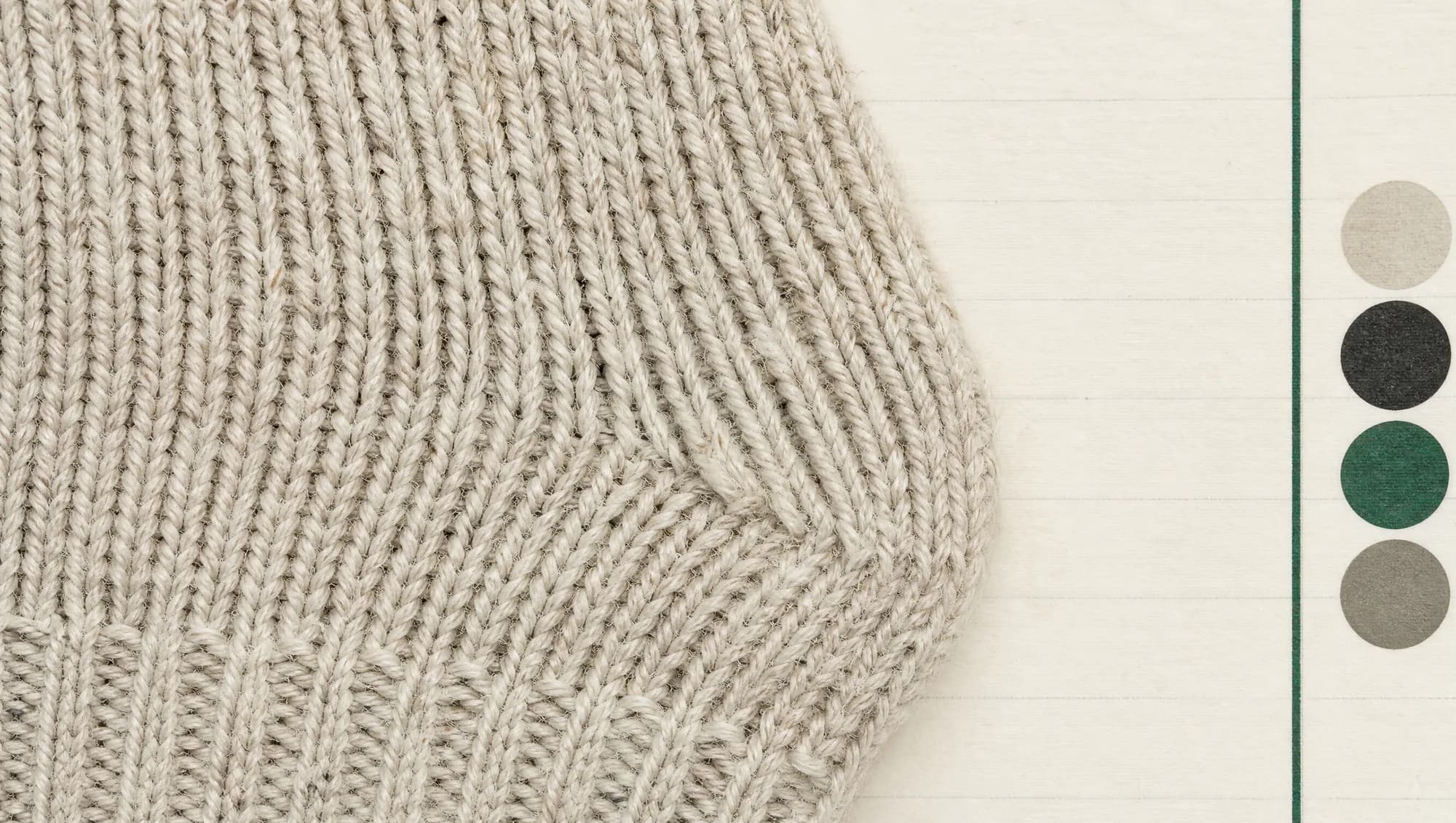
Extreme macro of a knitted sock face filling the frame, with individual loops and yarn plies clearly resolved.
The loop geometry is most of the answer. How tightly it is knitted, and out of what, decides how many times you get to put them on.
Entry 01

Three things, in this order

Nothing here needs an account, and the whole run works with one thumb — the moment this is for is standing in a shop with a pair in each hand.

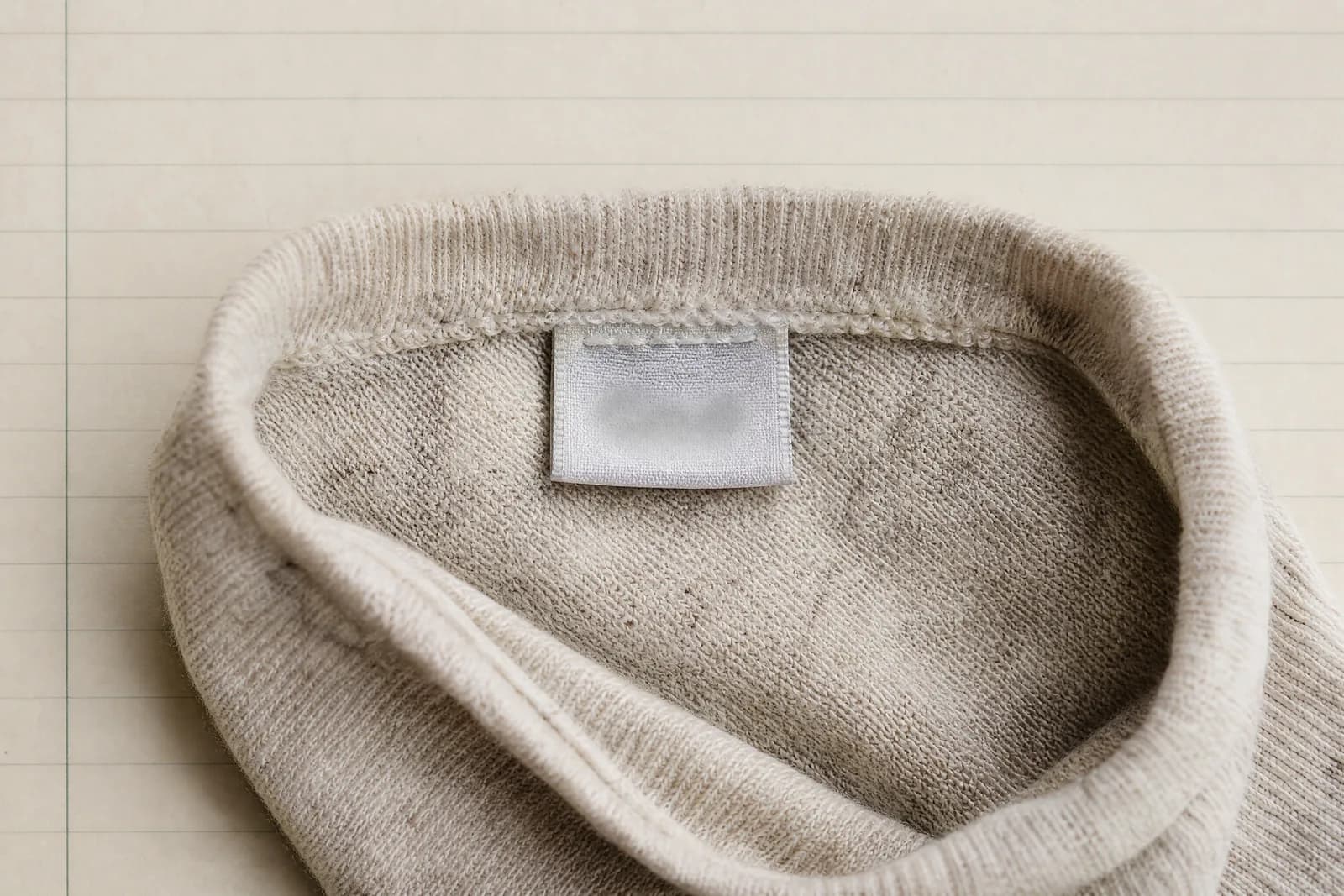
  1. A sock turned open on ruled paper with its blank woven care label in focus at the cuff.
    01

    Photograph the label and the toe

    The composition label gives the fibres and their proportions. A close photograph of the heel and toe gives the three things a label never states: whether there is a reinforced panel, whether the toe seam is flat or a raised ridge, and how tightly the fabric is knitted.

    Read from the photograph, not guessed at

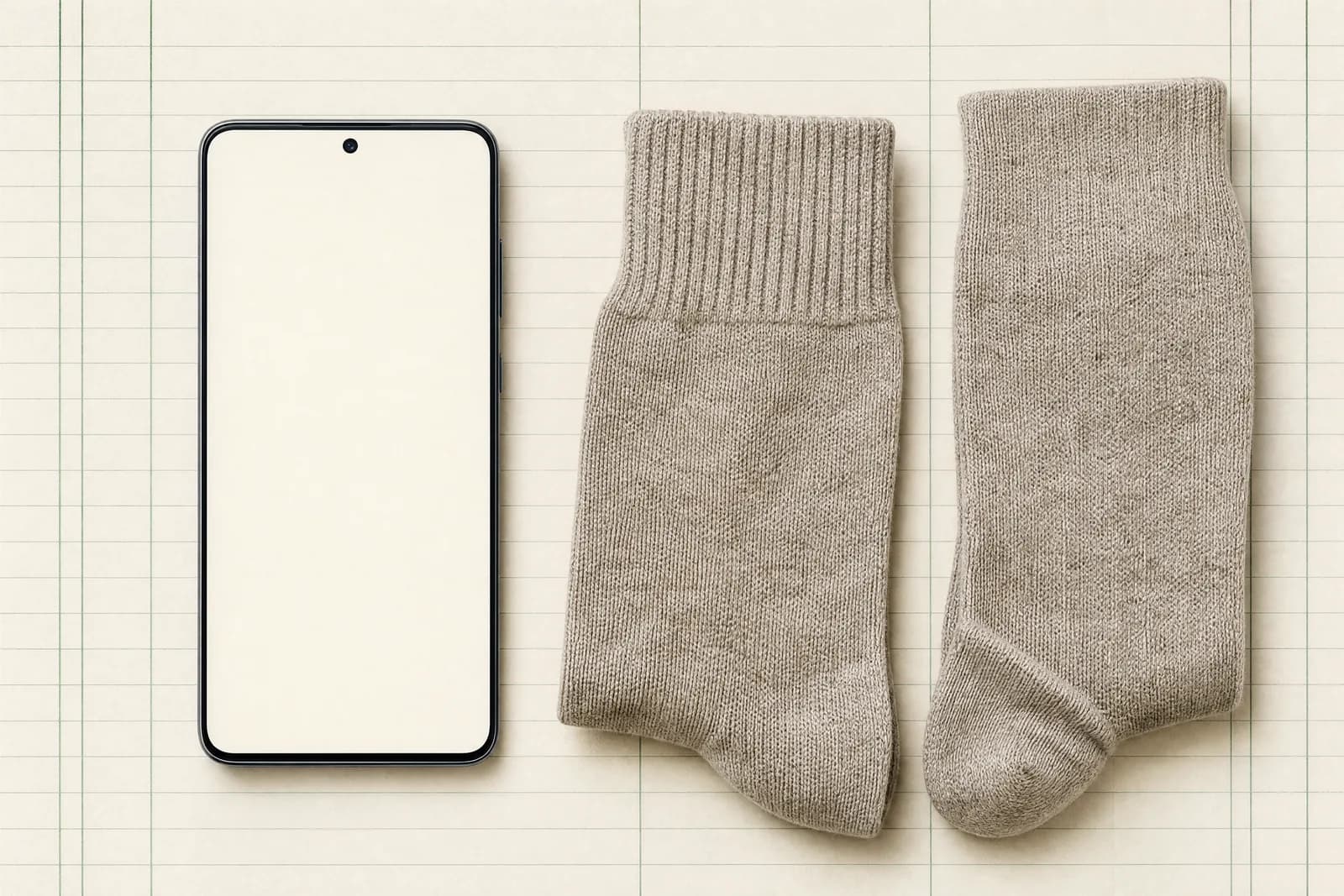
  2. A phone lying face up on ruled paper beside two folded socks, its screen blank.
    02

    Enter what each one costs you

    The price comes from you and only from you. This site holds no price data, looks nothing up, stores no market prices and offers no comparison shopping. It has one job with the figure you type: divide by it.

    Your figure, kept as you typed it

  3. Two folded socks placed side by side with equal spacing on ruled paper, seen from above.
    03

    Read the cost per wear, and the point it flips

    You get a range of wears for each pair, the cost per wear that follows from it, the wear at which the dearer pair breaks even, and — set out just as plainly — the circumstances under which the cheaper pair is the better buy.

    Worked out in your browser, from a table you can read

Entry 02

Four things you can see, and what each is worth

A number of wears is not a guess pulled out of a model. It comes from a table of coefficients that is printed here, applied to four properties that are visible in a photograph. Every coefficient is a range, so every result is one too.

01

What it is made of

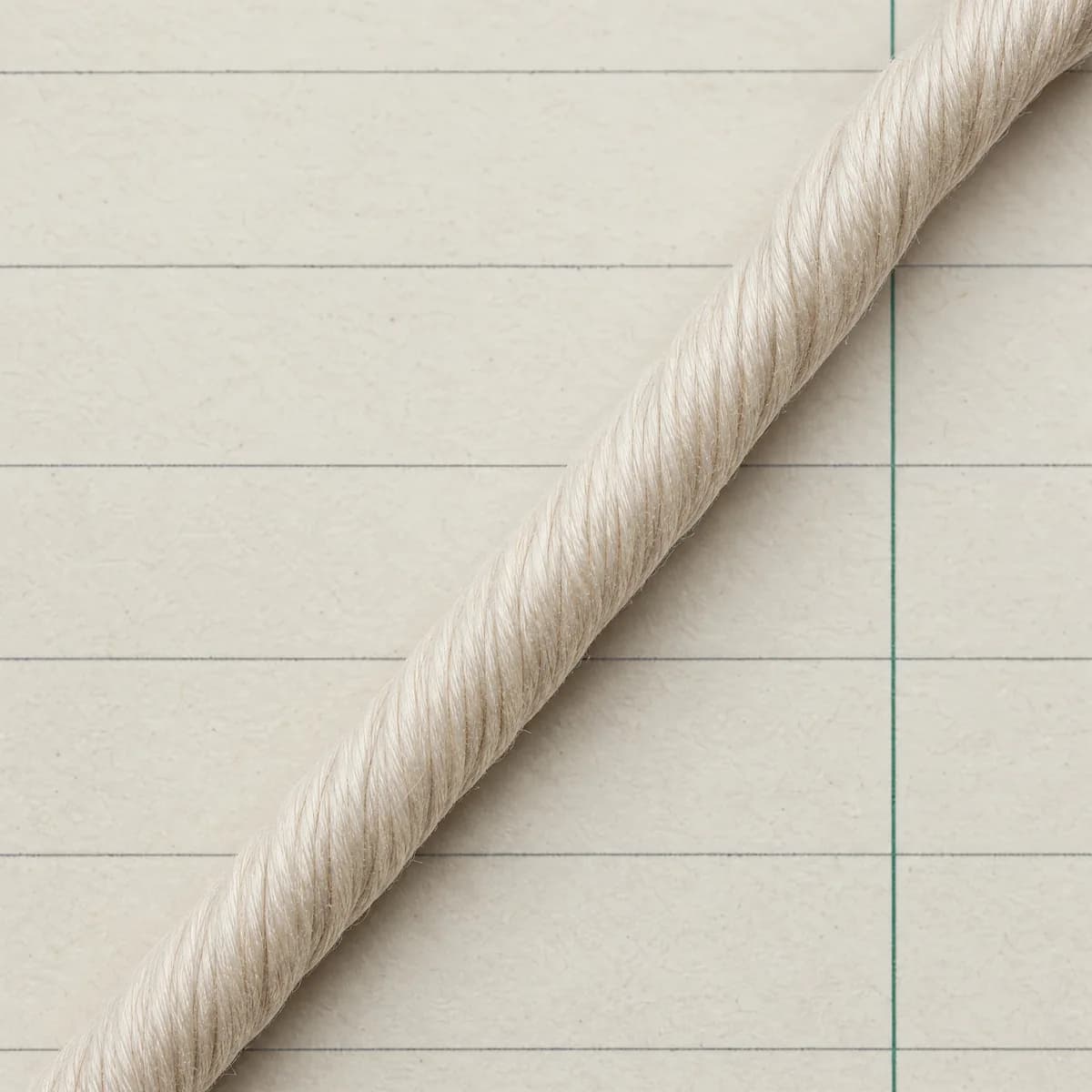
Fibre length decides how quickly the surface thins. Long fibres are gripped by the yarn along more of their length, so fewer ends work loose under abrasion.
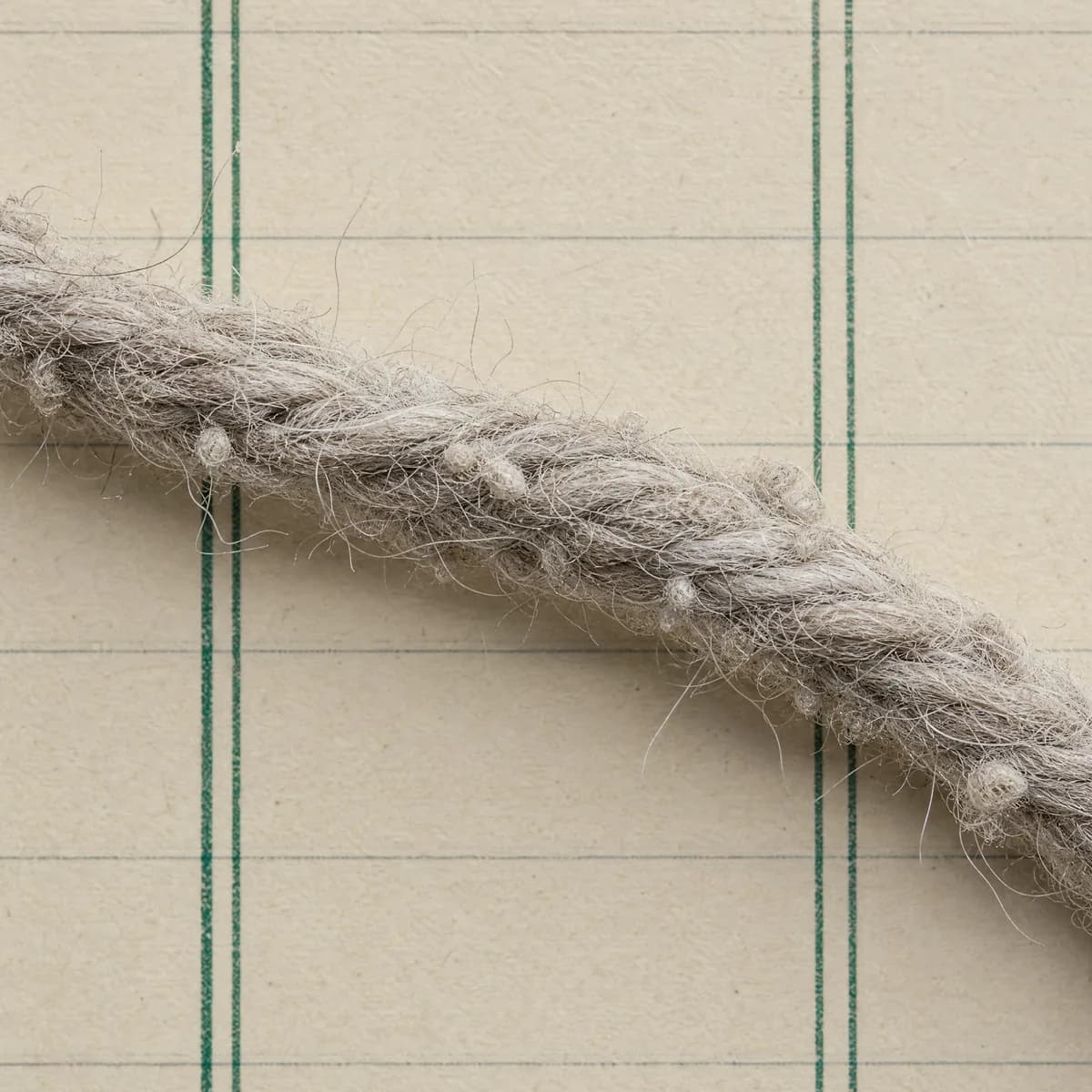
Extreme close-up of a fuzzy short-staple yarn with loose fibre ends and small pills on its surface.
Short-staple: ends work loose, and the surface thins early
Extreme close-up of a smooth, tightly twisted long-staple cotton yarn with almost no surface hairs.
Long-staple: fewer loose ends, a slower thinning surface

From the coefficient table

Combed / long-staple cotton
60–110wears
Cotton (standard, carded)
35–65wears
Merino wool
70–130wears
Wool (non-merino)
55–100wears
Polyamide / nylon
130–220wears
Polyester
100–170wears

Base wears for a plain medium-gauge sock of that fibre, before construction is taken into account. A blend is weighted by its proportions.
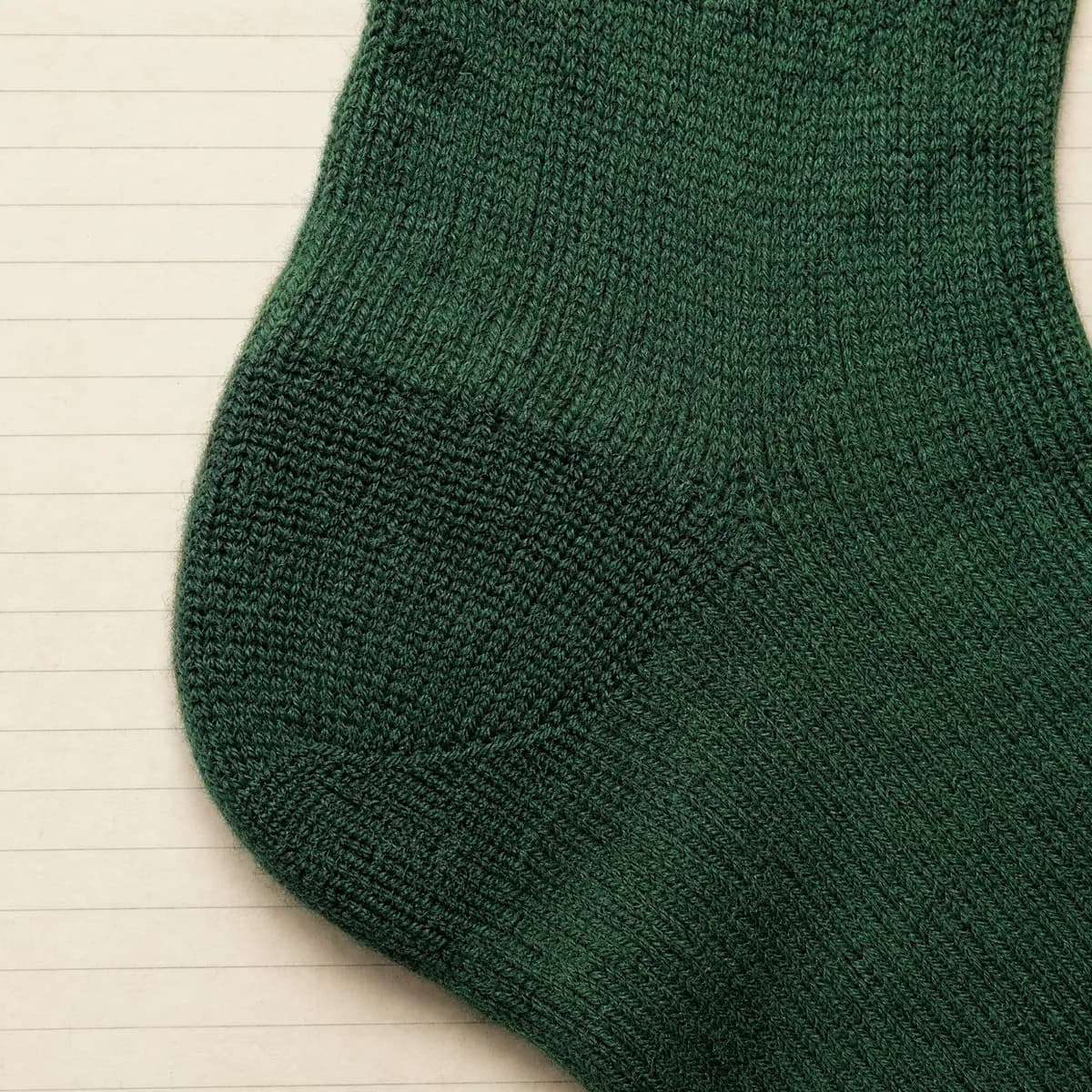
02

Whether the heel and toe are reinforced

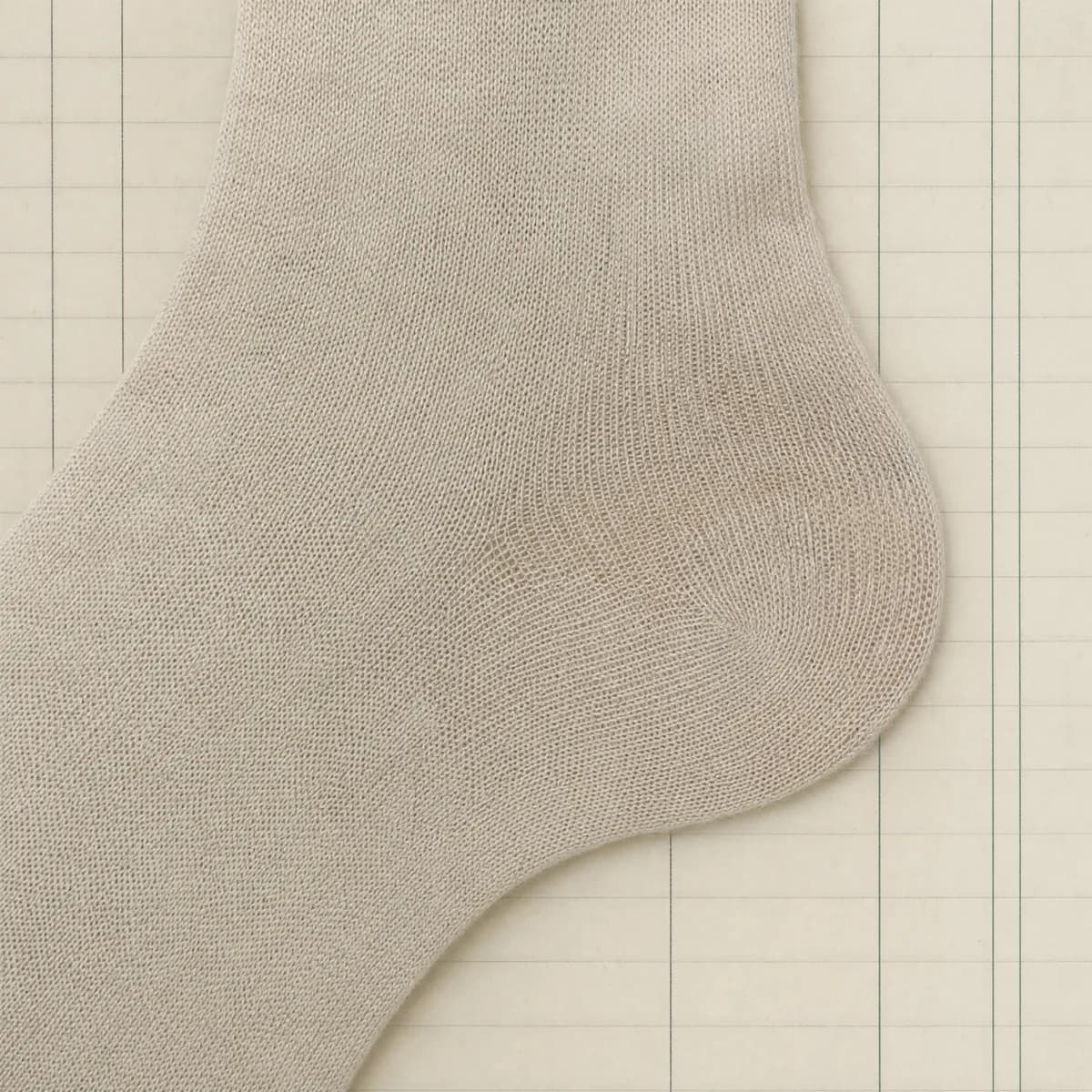
Almost all of the abrasion lands on two small areas. Extra yarn knitted into exactly those two places is the single largest structural difference between two otherwise identical socks.

Close-up of a plain sock heel with completely uniform knit and no reinforcement panel.
No reinforcement: the heel carries the same fabric as the leg
Close-up of a sock heel with a visibly denser reinforced knit panel.
Reinforced: a denser panel where the wear actually happens

From the coefficient table

Reinforced heel and toe
1.30–1.55×
No reinforcement
1.00×

Extra yarn is knitted into the two places that fail first. This is the single largest structural difference between two otherwise identical socks.

03

How the toe is closed

A ridge of overlock stitching stands proud of the fabric and is rubbed by the shoe on every single step. It is a wear starting point built into the sock. A flat linked toe has no ridge at all.

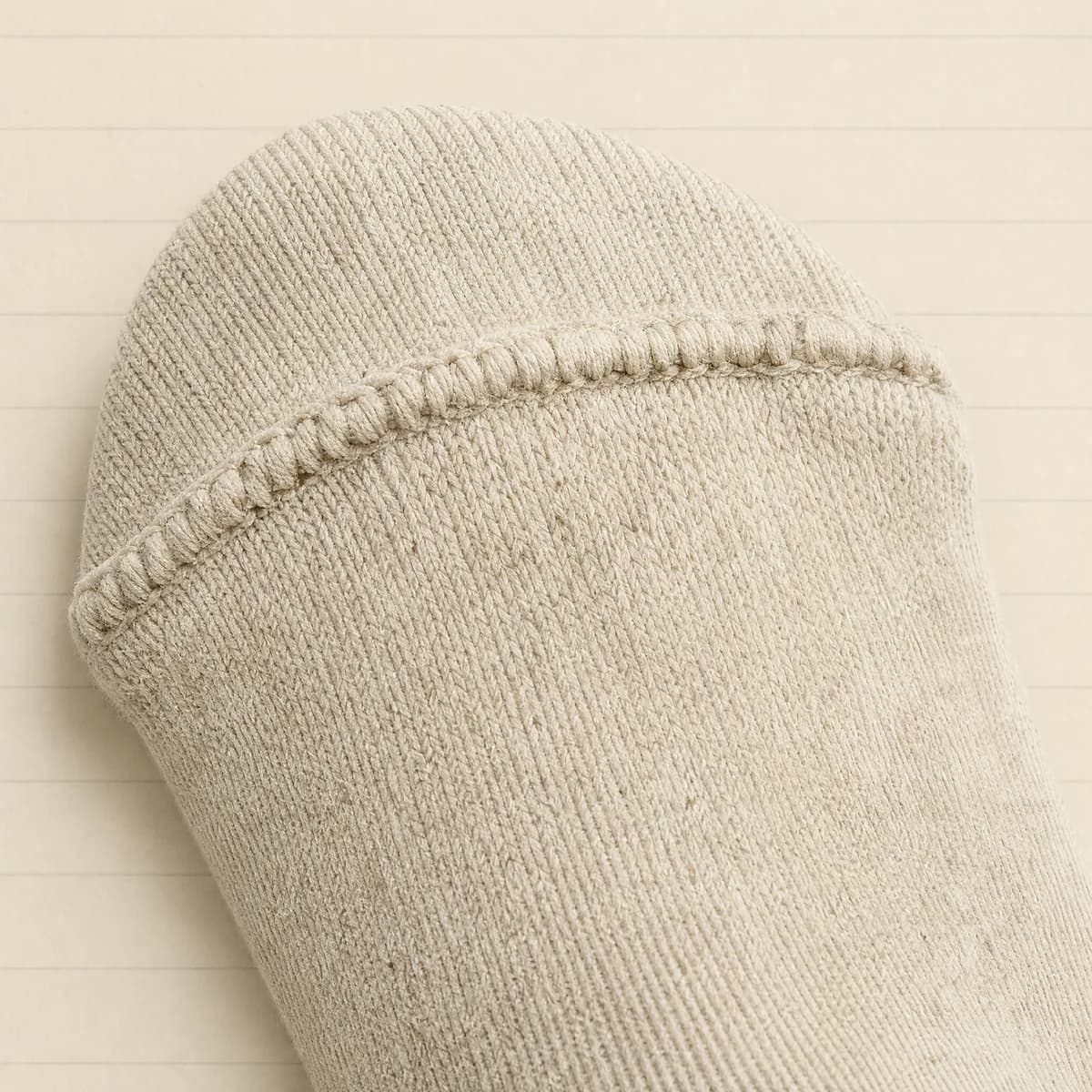
Extreme close-up of a bulky raised overlocked toe seam standing proud of the fabric and casting a shadow.
Raised: a ridge the shoe rubs on every step
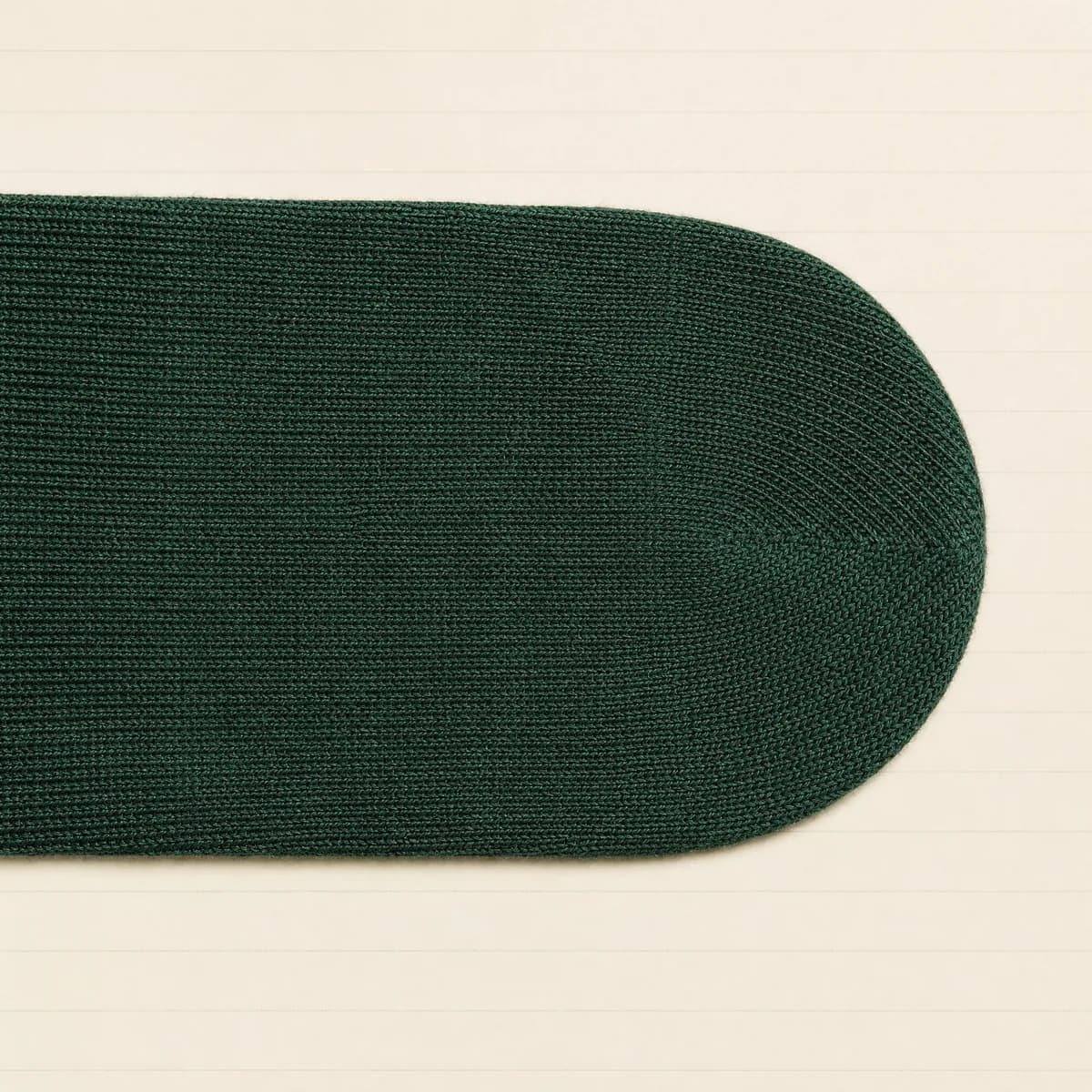
Extreme close-up of a flat linked toe seam where the knit continues across the join with no ridge.
Flat: the join sits level, so nothing concentrates the wear

From the coefficient table

Flat, linked toe
1.10–1.25×
Raised, overlocked toe
0.90–1.00×
Toe seam not visible
0.95–1.15×

Photograph the toe if you can. Without it the range widens in both directions rather than assuming the better case.

04

How tightly it is knitted

Same fibre, same construction, different gauge, different life. More stitches share the same load, so each one is stressed less and there is less open space for a hole to start in.

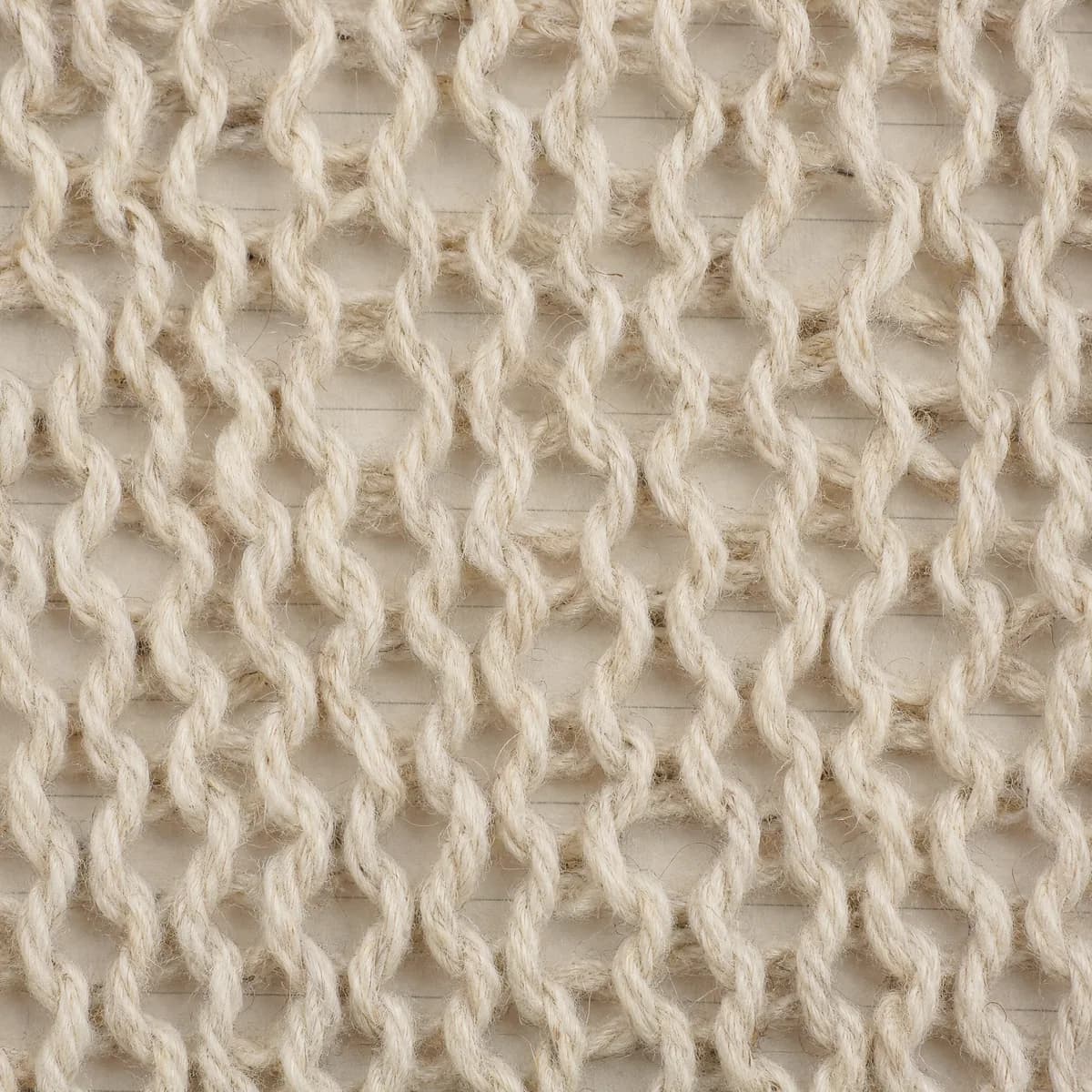
Extreme close-up of a coarse open knit with large loose stitches and visible gaps between the loops.
Coarse: fewer, larger loops each taking more load
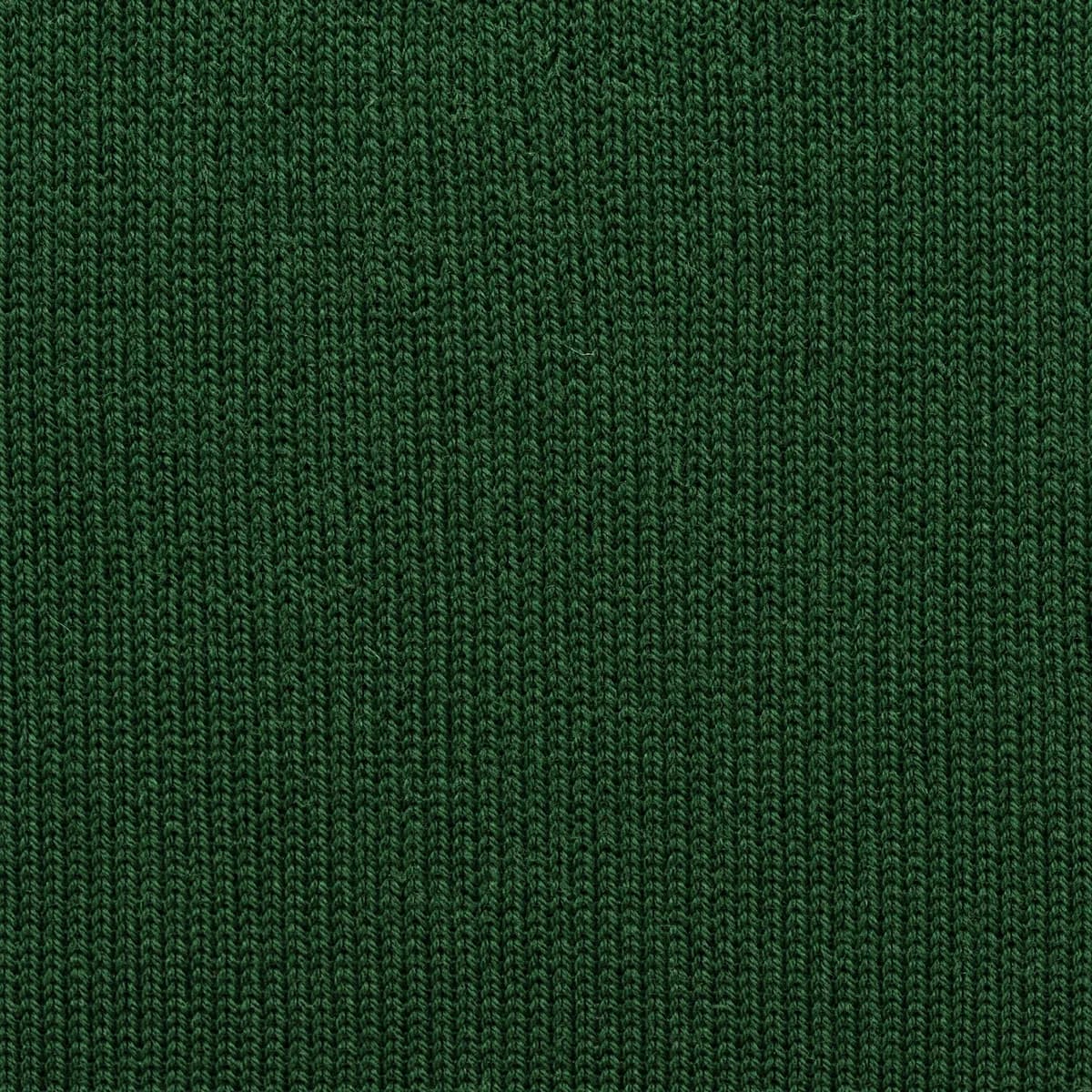
Extreme close-up of a very fine dense knit with tiny tightly packed stitches.
Fine: more stitches, each one stressed less

From the coefficient table

Fine gauge, dense
1.15–1.35×
Medium gauge
1.00×
Coarse gauge, open
0.75–0.92×

More stitches carry the same load, so each one is stressed less and gaps open more slowly.

And this is what running out looks like

Three of these four end a sock before a hole ever appears. The count this site gives you is a count of wearable wears, not of wears until failure.

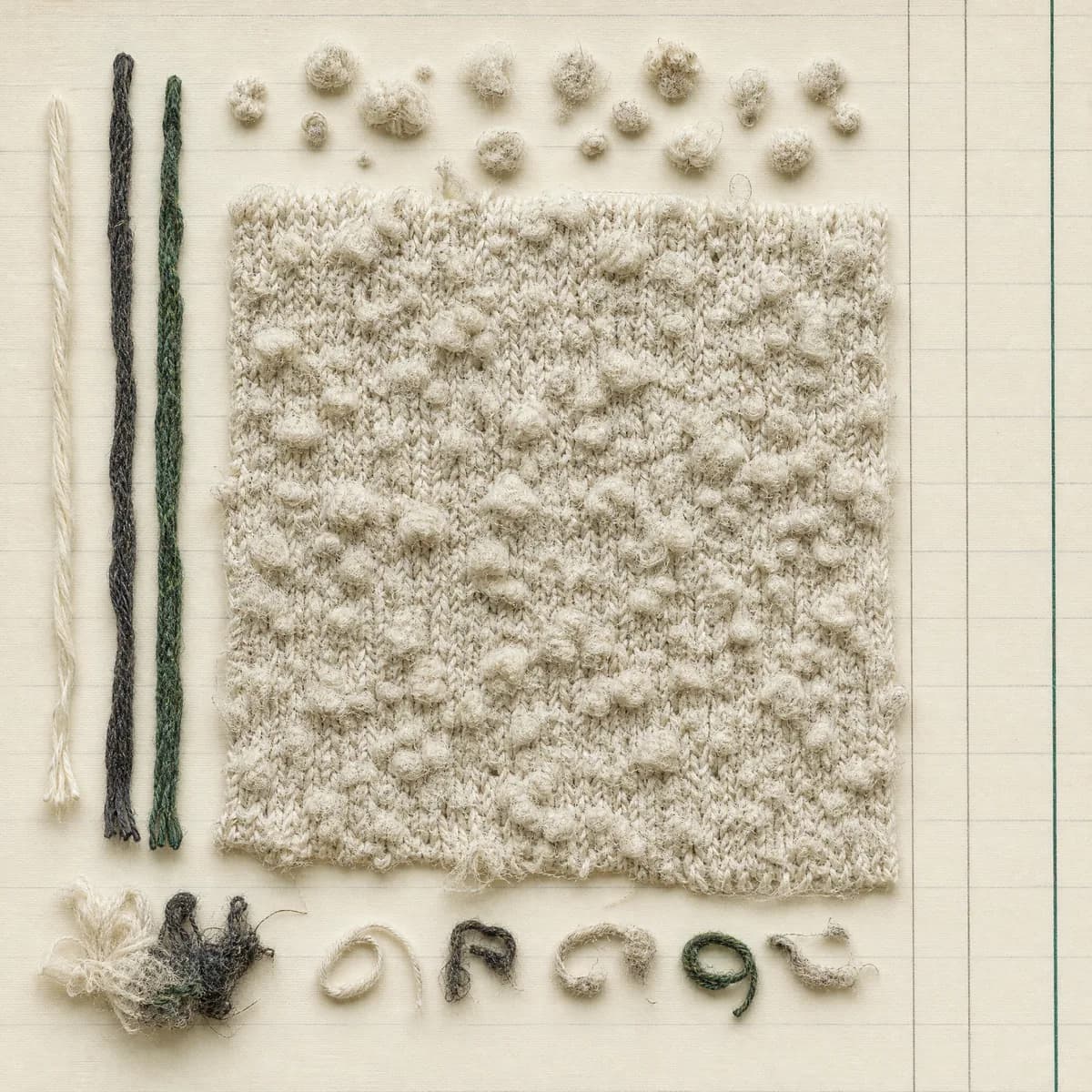
  • Extreme close-up of a knitted surface covered in small tight bobbles of pilled fibre.

    Pilling

    Short fibre ends work loose and roll into bobbles. Nothing has failed, but most people retire a sock at this point.

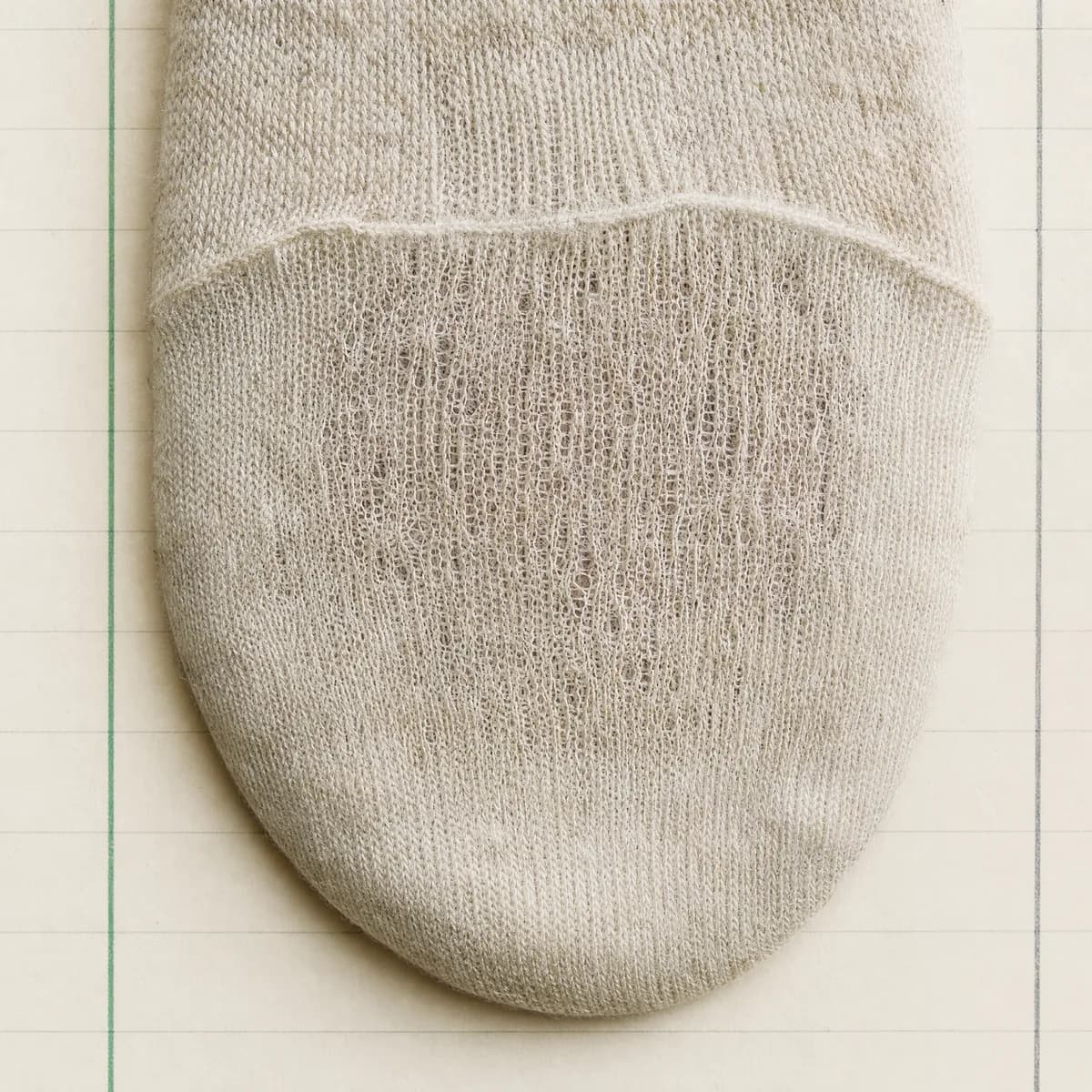
  • Extreme close-up of a sock toe where the knit has thinned to near transparency without yet breaking.

    Thinning

    The fabric goes semi-transparent where it has been abraded. This is the last stage before a hole, and it is the one worth photographing.

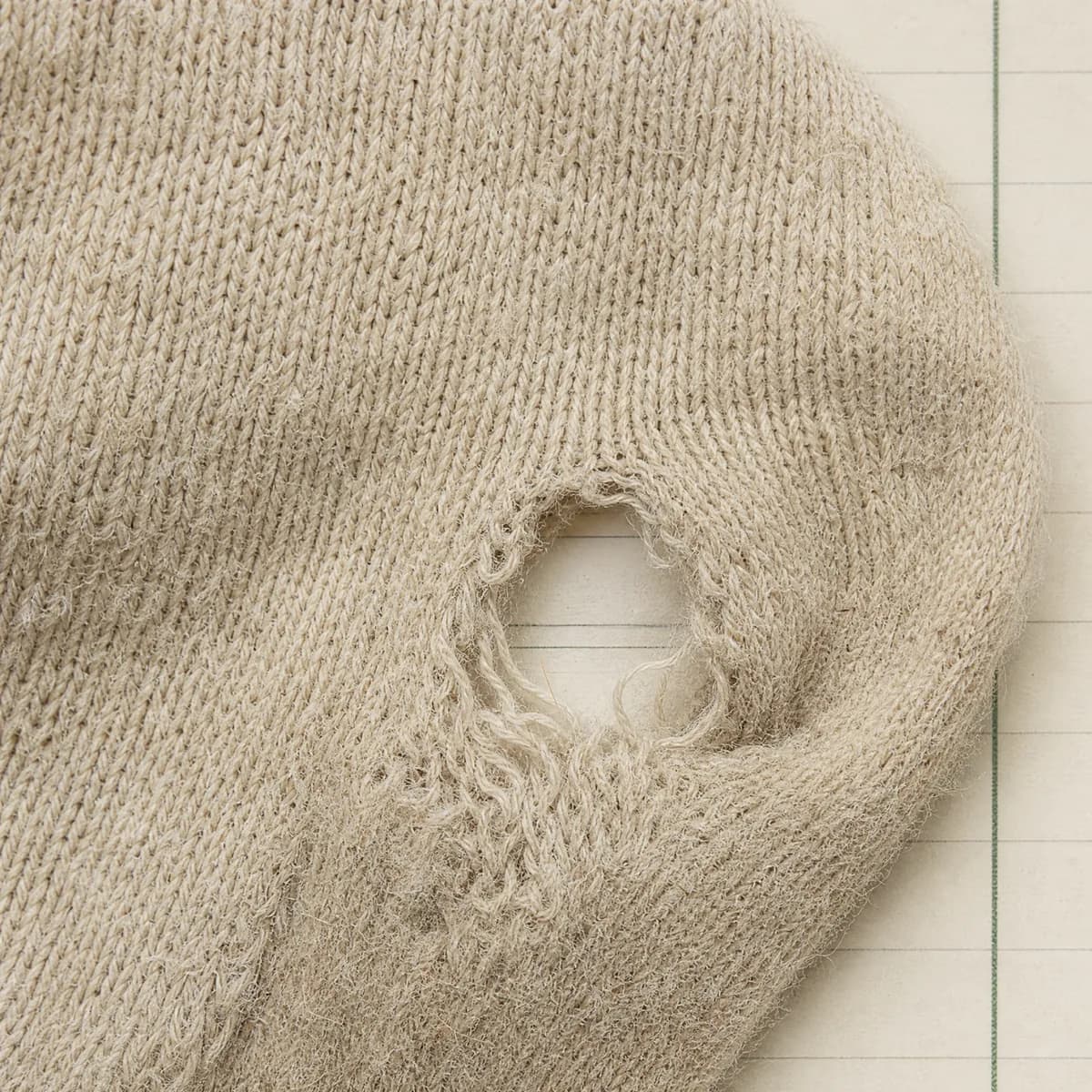
  • Extreme close-up of a small hole opening at the toe of a sock, the ruled paper visible through the gap.

    Failure

    Loops part and the gap opens. Almost always at the heel or the toe, which is why a reinforced panel there is worth as much as it is.

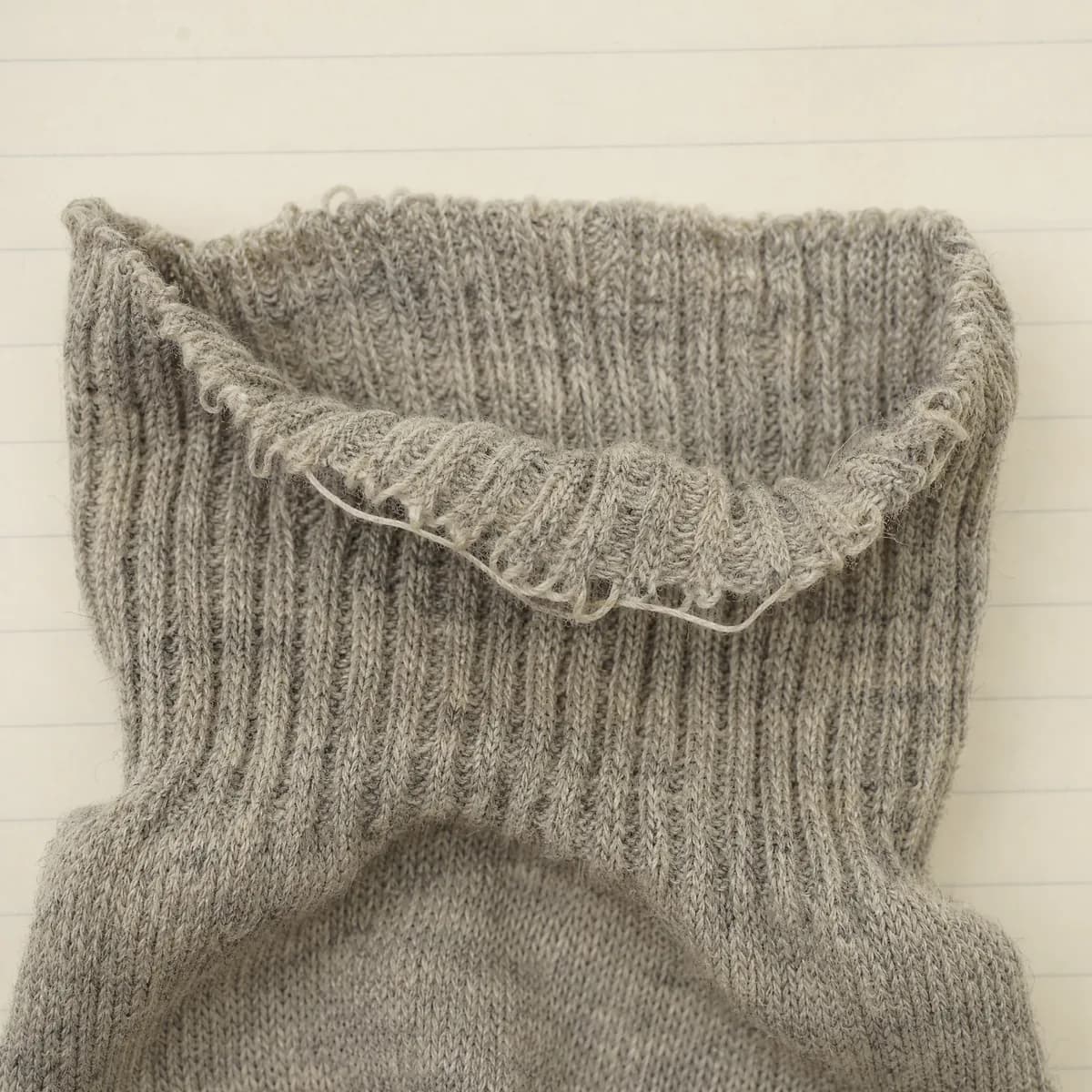
  • Extreme close-up of a slack sock cuff whose ribbing has splayed open and no longer gathers.

    Going slack

    The elastane gives out and the sock stops gripping. A slack sock slides against the foot and then abrades faster than the fibre alone would suggest.

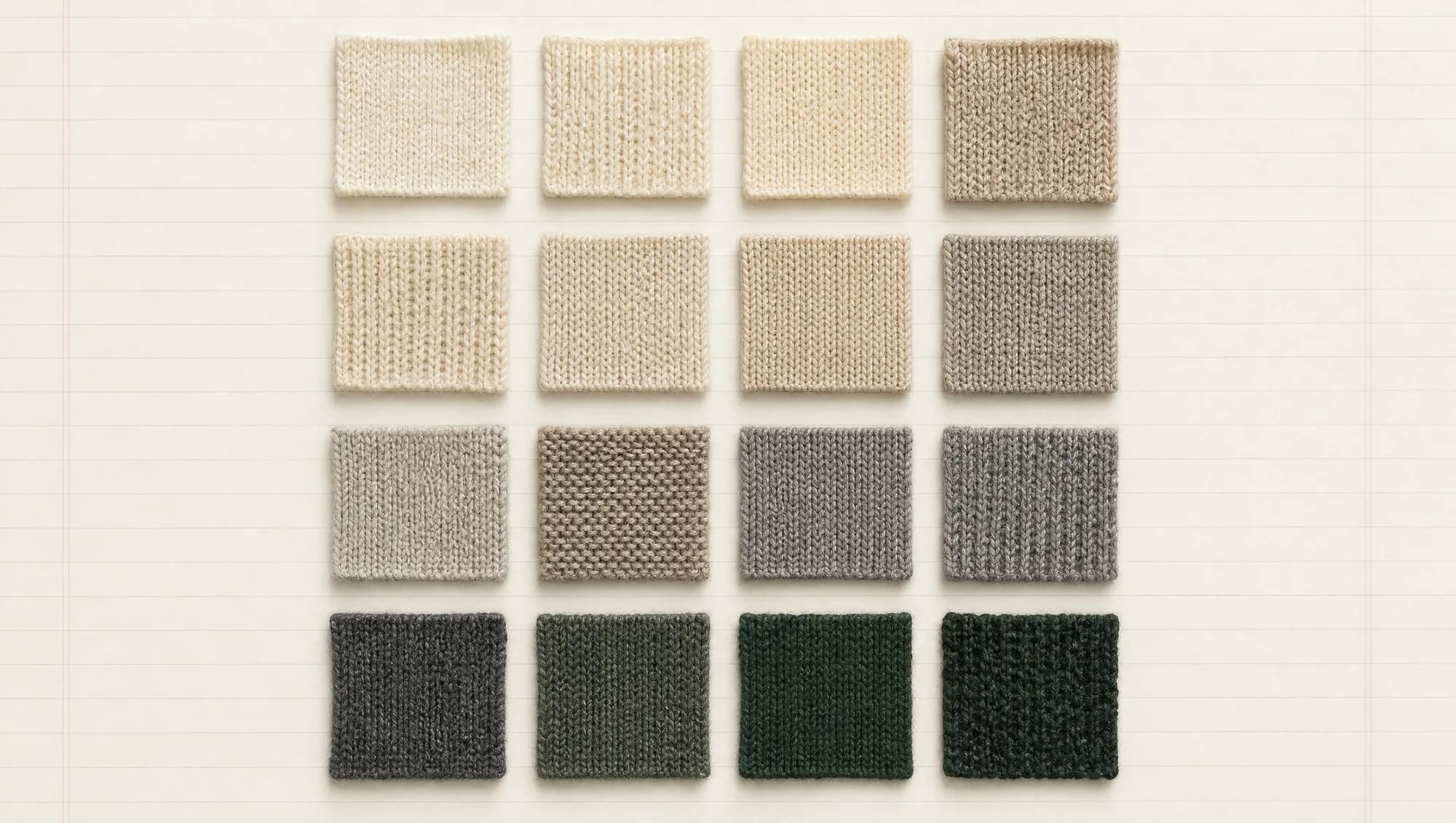
Sixteen small knit fabric swatches arranged in a four by four grid on ruled paper, ranging from ecru through oatmeal and grey to deep green.
Sixteen swatches, one variable at a time. The coefficient table on this site is built the same way — one property, one range, nothing bundled.
Entry 03

What goes in, and what comes back

Left: the kind of thing people photograph. Right: the shape of the answer. Not one figure on this page is a market price — this site has no price data of any kind, and the only prices it ever touches are the ones a user types.

Specimens

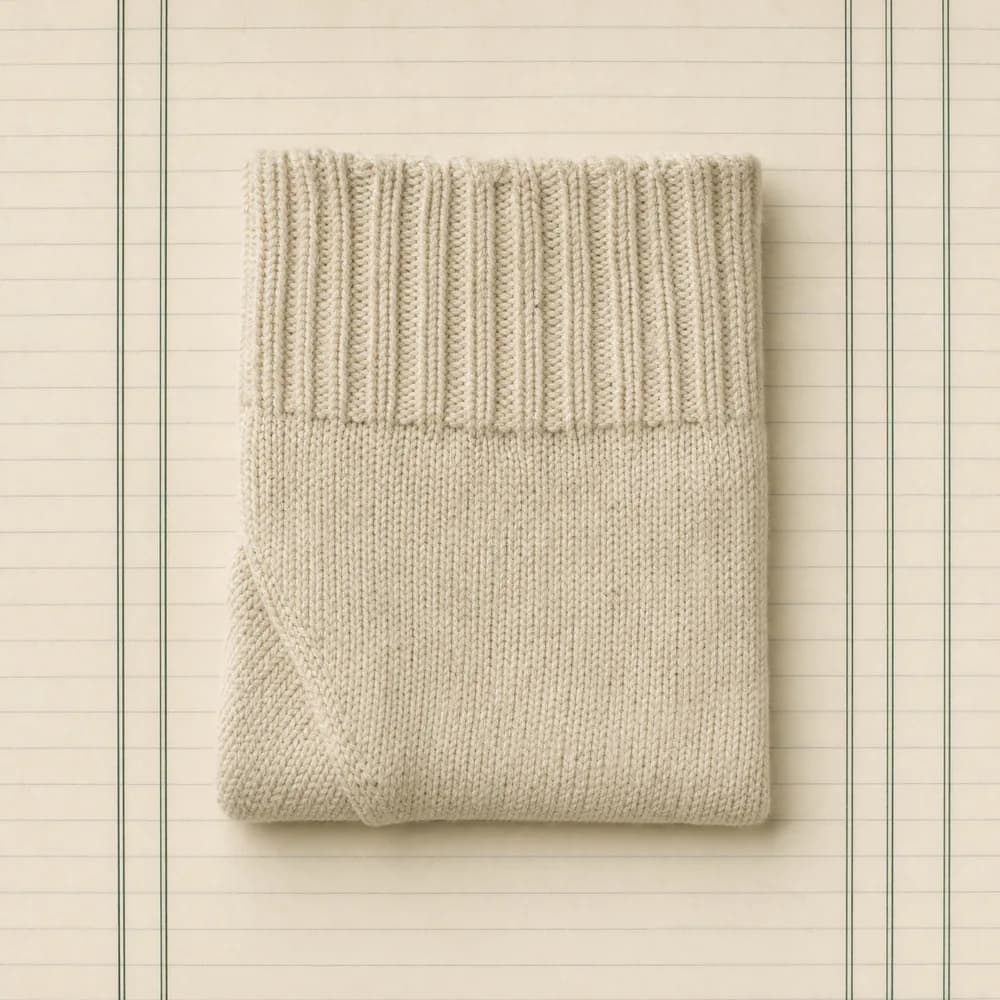
  • A ribbed cuff sock folded into a flat square on ruled paper.

    Ribbed cuff, medium gauge

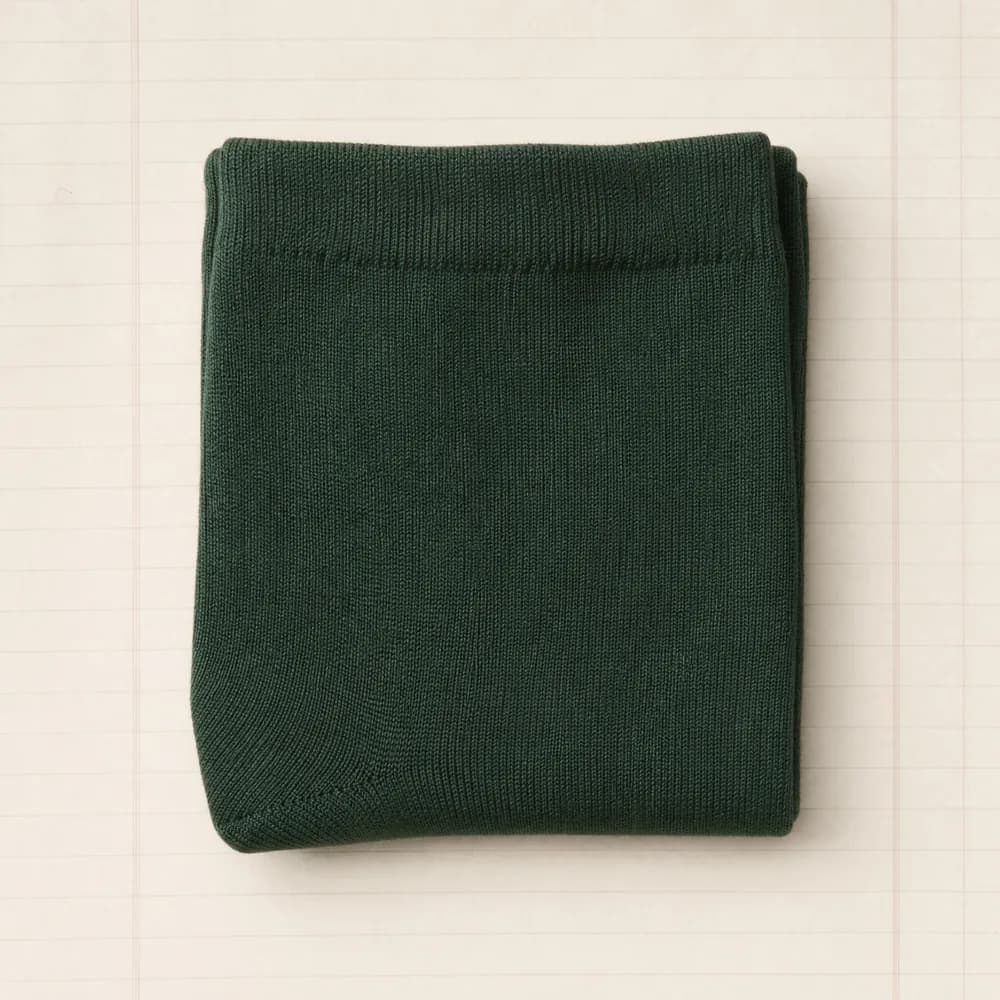
  • A fine merino sock folded into a flat square on ruled paper.

    Fine merino, dense face

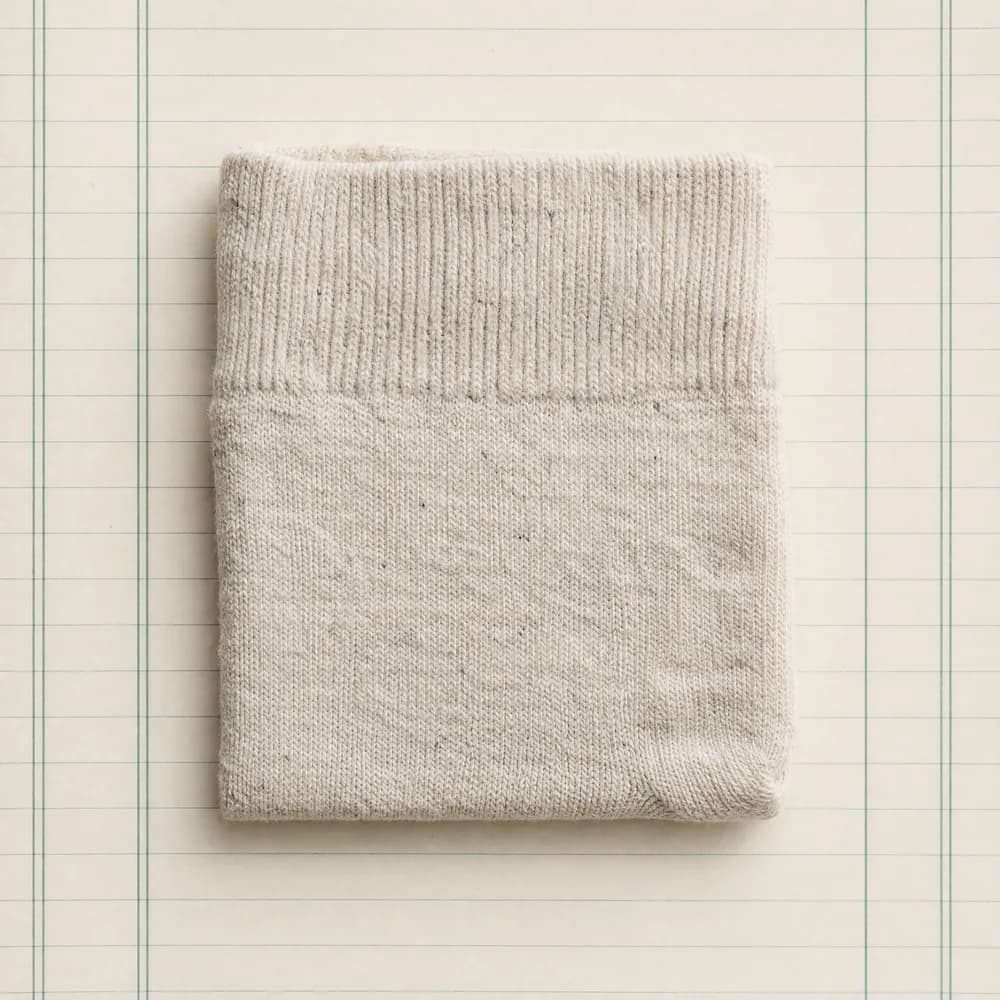
  • A thin cotton sock with a slightly uneven surface, folded flat on ruled paper.

    Carded cotton, open face

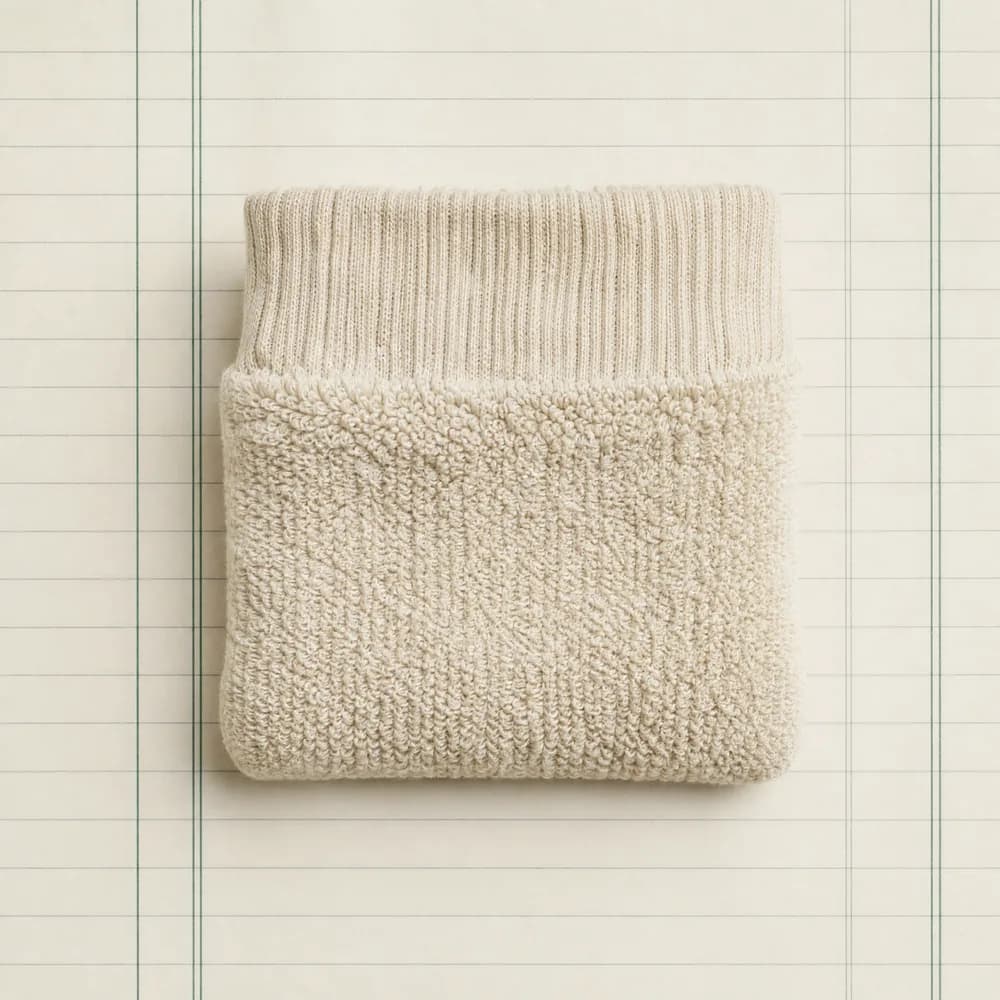
  • A sock with a thick cushioned terry-loop sole, folded flat on ruled paper.

    Terry-loop sole

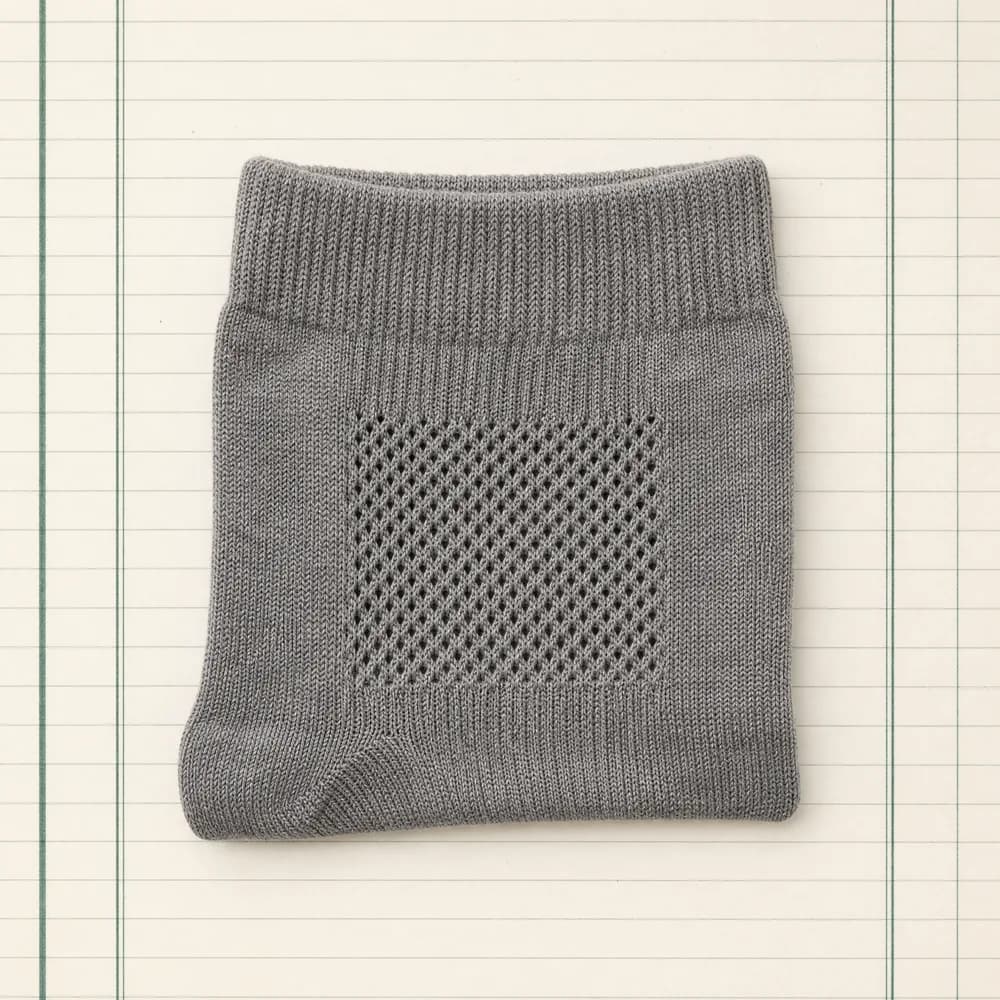
  • A sock with a knitted mesh ventilation zone, folded flat on ruled paper.

    Knitted mesh panel

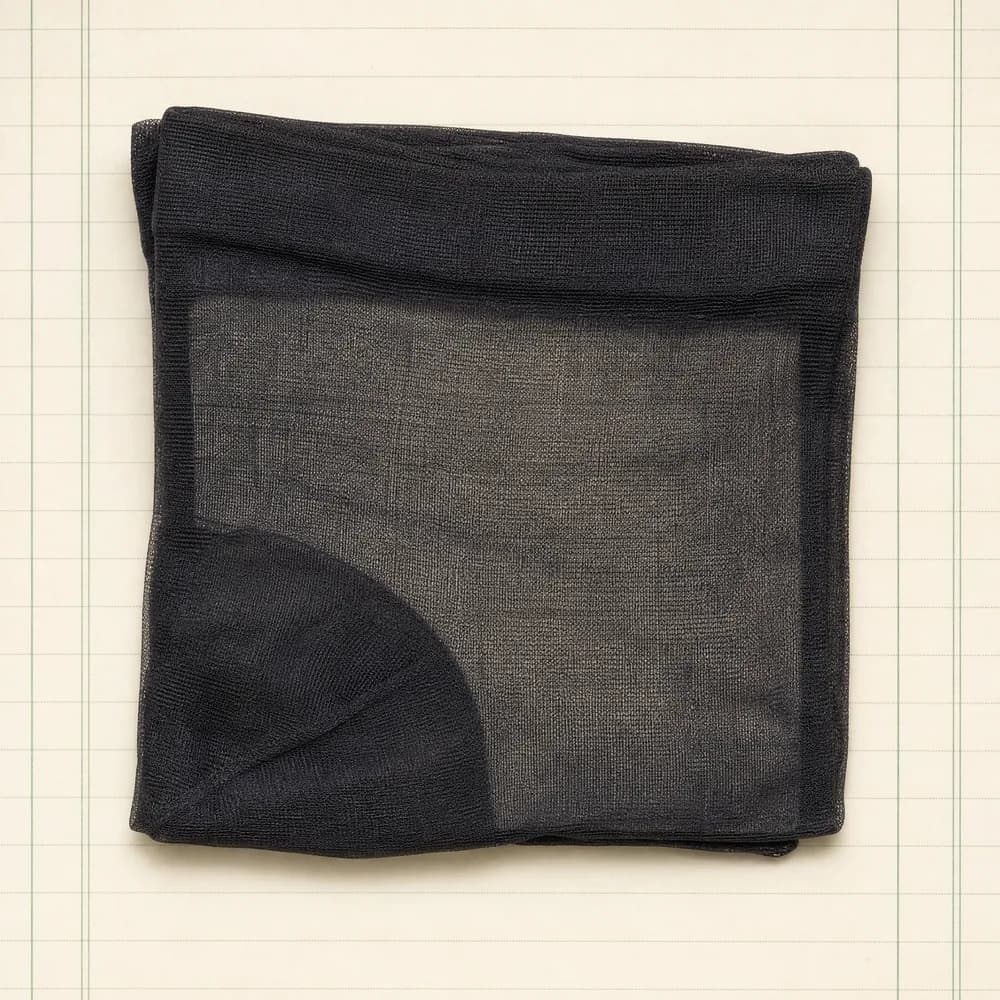
  • A very thin sheer dress sock folded flat, the ruled paper faintly visible through the fabric.

    Sheer, single-ply

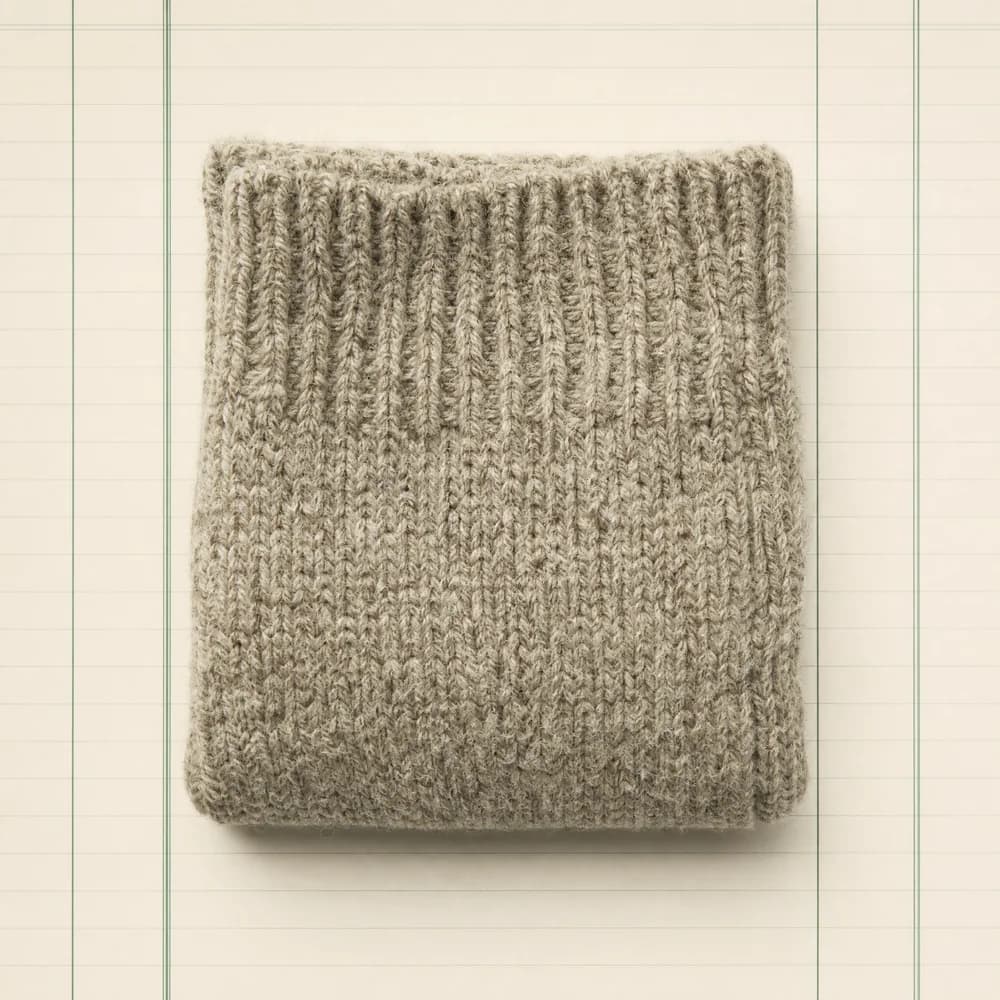
  • A thick heathered wool boot sock folded into a flat square on ruled paper.

    Heavy wool, coarse gauge

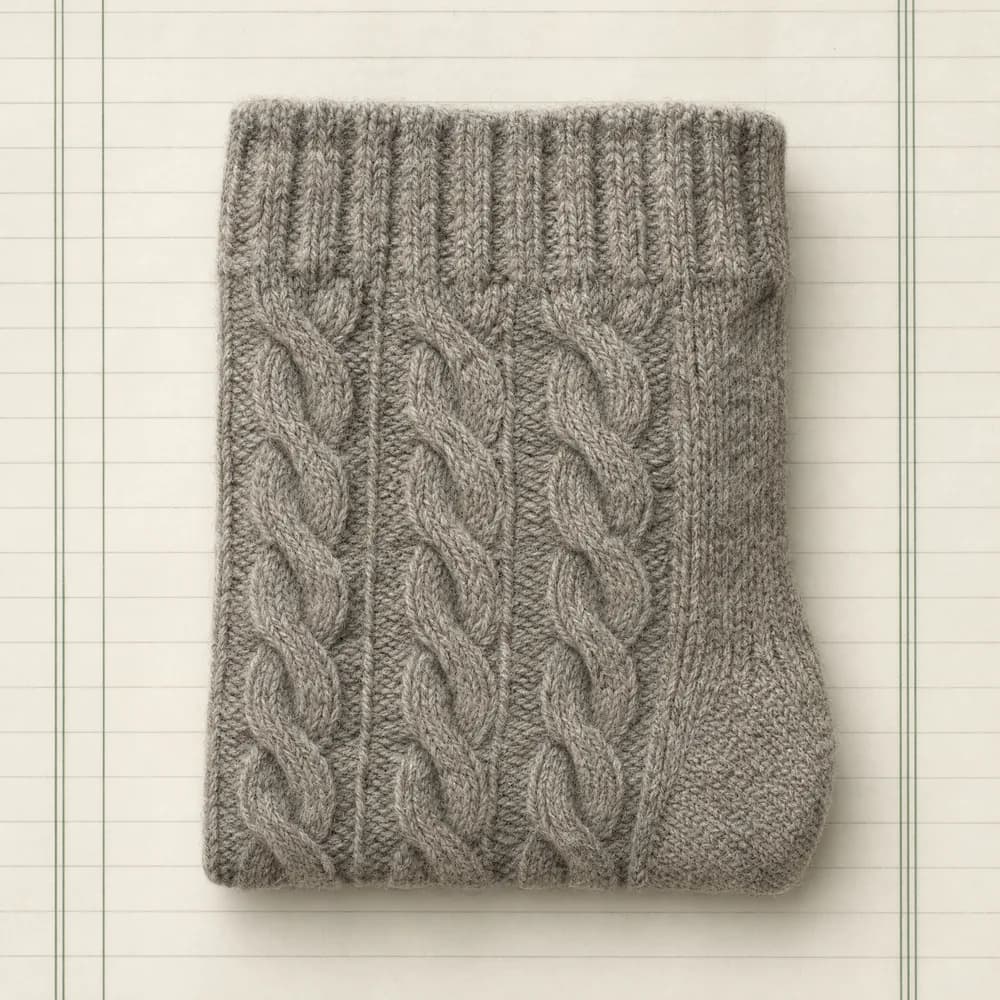
  • A wool sock with a raised cable knit pattern, folded flat on ruled paper.

    Cable knit, wool

Worked outputs

  • Carded cotton against combed cotton, both unreinforced

    • ████ five-pack

      38–71wears

    • Everyday combed cotton

      61–112wears

    Same construction, different staple length. The gap is fibre alone. Bar height is cost per wear relative to the taller of the two; estimated wears are shown as figures.

  • Reinforced merino against unreinforced merino

    • ████ merino crew

      78–141wears

    • Reinforced merino crew

      112–208wears

    One structural change, applied to the two places that fail first. Bar height is cost per wear relative to the taller of the two; estimated wears are shown as figures.

  • Flat linked toe against a raised overlocked toe

    • ████ ribbed dress

      44–82wears

    • Ribbed dress, linked toe

      54–103wears

    The seam is the only difference the photographs showed. Bar height is cost per wear relative to the taller of the two; estimated wears are shown as figures.

  • Fine gauge against coarse gauge, identical blend

    • ████ coarse boot

      51–96wears

    • Fine gauge, same blend

      78–148wears

    Gauge alone, with fibre and construction held level. Bar height is cost per wear relative to the taller of the two; estimated wears are shown as figures.

Names read off a label are redacted before anything is drawn or shared — the blocks above are where one was. This site evaluates no brand and names none.

Entry 04

Three times the cheaper pair is the better buy

A tool that always points at the expensive option is a shop assistant. These three are worked out and shown alongside every comparison, on every plan, and they are never covered by a watermark.

Three folded socks resting undisturbed in the corner of a plain paper-lined drawer, seen from above.
01

You barely wear them

Cost per wear only falls if the wears actually happen. A pair kept for a few occasions a year will still be intact long after you have stopped wanting it. Over any horizon you would actually plan for, the dearer pair never reaches its break-even point, and the money spent on the wears you never took is simply gone.

A single unmatched sock lying alone in the middle of a wide expanse of ruled paper.
02

They go missing first

Most socks are lost, shrunk or retired on looks long before the fabric gives out. Travel, a gym bag and a shared laundry all raise the loss rate above the wear rate. When that happens, durability you paid for and never used is the most expensive thing on the shelf.

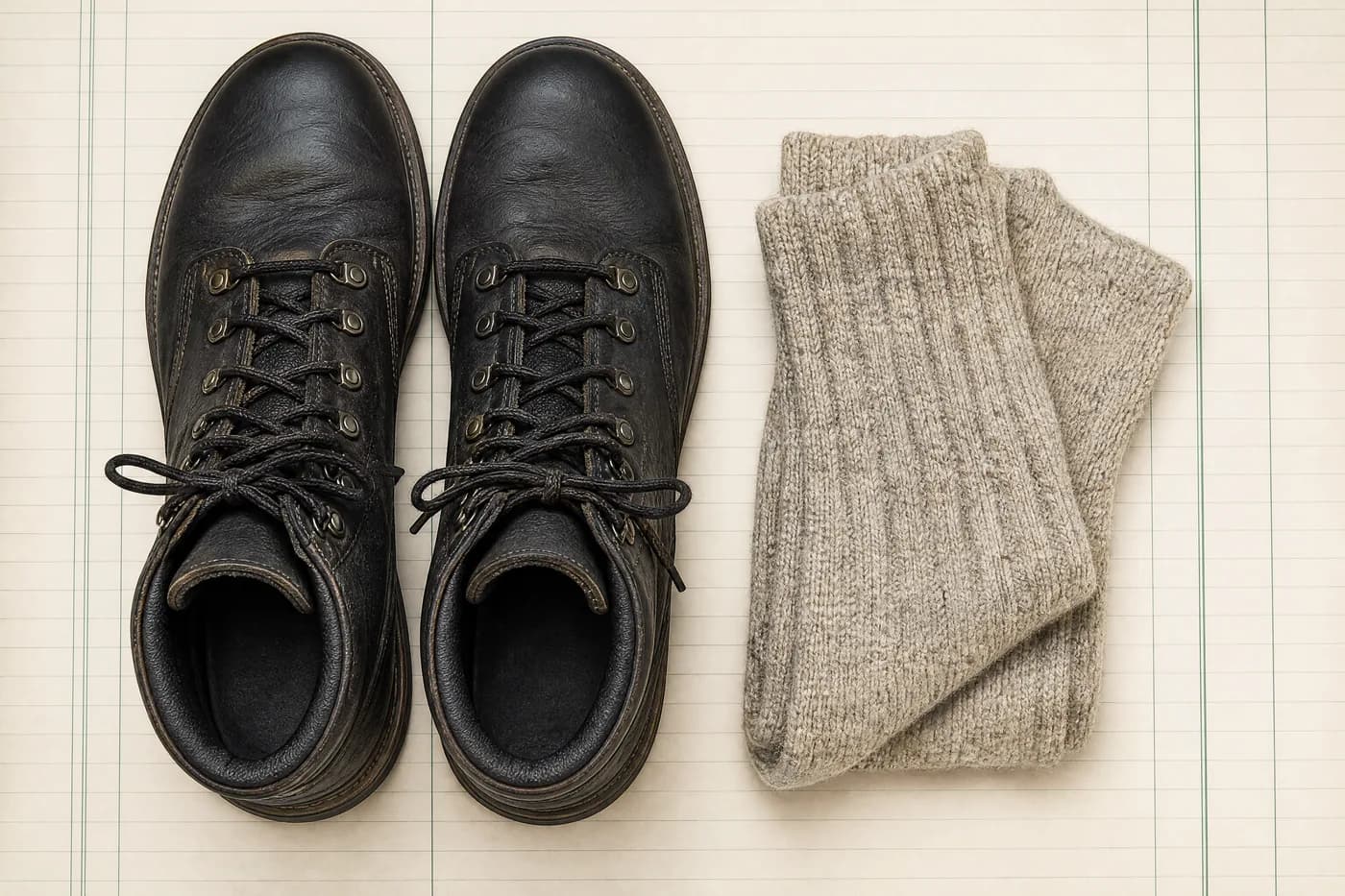
Heavy work boots on ruled paper with thick wool socks folded beside them, seen from above.
03

The conditions beat any sock

Work boots, site work, long-distance walking. When the inside of the shoe does more damage than the sock's own construction can resist, the difference between a good sock and an ordinary one collapses, and what is left is the purchase price.

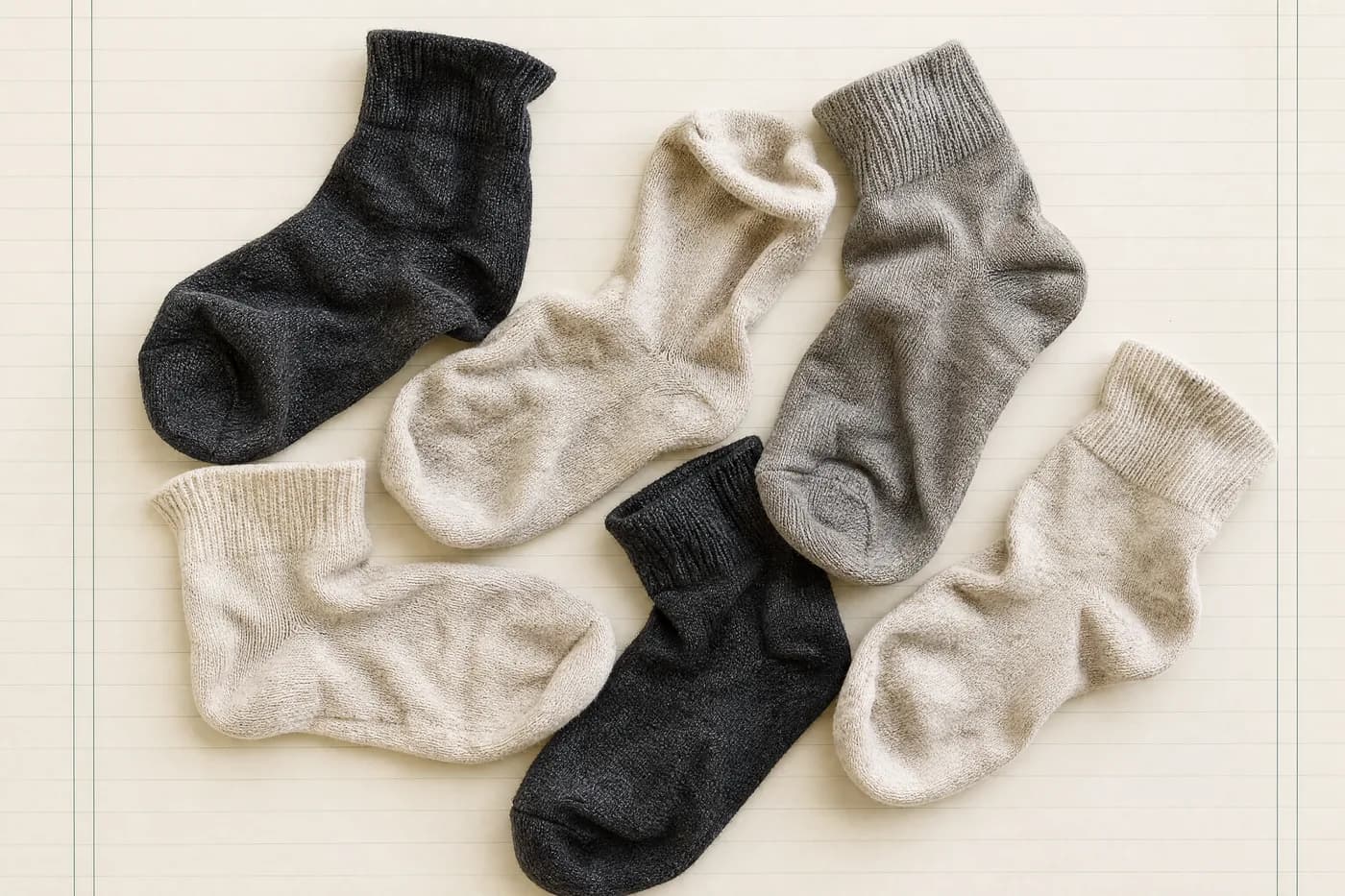
Several socks tumbled loosely together as if just out of a wash, seen from above on ruled paper.

And one thing that beats every figure on this site

How you launder them. A tumble dryer takes something in the region of a fifth to two-fifths off the count, and washing above 40 °C takes more. That is a larger effect than the difference between a reinforced heel and a plain one — and it is entirely in your hands, not the sock’s. You can tell the tool about it, and it will reduce both estimates accordingly.

Entry 05

What this is not

Four things it would be reasonable to assume, and four things this site does not do.

  1. 01

    It holds no price information at all

    It does not look up, store or suggest a market price. It offers no price comparison, no “this should cost around”, no retailer, no link to buy anything. The only prices it ever handles are the ones you type in, and they are used for one thing: division.

  2. 02

    It evaluates no brand and recommends nothing

    No brand is rated, ranked or named. Any name read off a label is redacted before it reaches a screen. You get a comparison; the decision is yours, and the site does not tell you which one to buy.

  3. 03

    The number of wears is an estimate, and always a range

    It is derived from a published table of coefficients applied to four visible properties. There is not a single figure anywhere on this site that is presented as a precise count, because there is no honest way to produce one.

  4. 04

    It is not financial advice, and it is not a shop

    It sells no socks and gives no investment or financial advice. It is a calculator with a table behind it and its workings printed on the page.

Entry 06

What you pay, and what for

Three subscriptions and nothing else. No credit packs, no top-ups, no stored value. All prices in USD, including VAT at 20%.

Full pricing and billing terms

Free

01

Enough to settle one comparison between two pairs.

$0.00USD, forever

No card is taken and nothing renews.

Monthly allowance

50units

An allowance to use the service. It is not money, has no cash value, cannot be redeemed or transferred, and does not carry over to the next period.

  • One comparison per month
  • Up to two pairs in a comparison
  • Cost-per-wear bars, with a watermark
  • The full “when the cheap pair wins” list, unwatermarked
  • The full “what we cannot know” list, unwatermarked
  • No break-even chart
  • No frequency scenarios
  • Comparison images carry a watermark

Mileage

02

For the case that actually happens: five or six pairs on a shelf and a frequency you have to guess at.

$8.00USD a month

including VAT at 20%. Renews automatically each month until you cancel.

Or $77.00 USD a year — $6.42 a month, including VAT at 20%, renewing annually until you cancel.

Monthly allowance

400units

An allowance to use the service. It is not money, has no cash value, cannot be redeemed or transferred, and does not carry over to the next period.

  • Unlimited comparisons
  • Unlimited pairs per comparison
  • Break-even chart with the crossing point marked
  • Frequency scenarios, side by side
  • No watermark on any image
  • Plain-text figures alongside every chart

Ledger

03

For keeping the account open after the purchase: record what you actually got, and correct the estimate with it.

$24.00USD a month

including VAT at 20%. Renews automatically each month until you cancel.

Or $230.00 USD a year — $19.17 a month, including VAT at 20%, renewing annually until you cancel.

Monthly allowance

1,500units

An allowance to use the service. It is not money, has no cash value, cannot be redeemed or transferred, and does not carry over to the next period.

  • Everything in Mileage
  • A purchase record you can come back to
  • Log the wears you actually got and recalibrate the estimate
  • Calibration carries across to later comparisons
  • Extend the same method to other garment categories
  • Export your records as CSV

Where the free plan stops

Two pairs is enough to answer “which of these two”. It is not the question you are usually standing in front of.

The free plan gives one comparison a month, up to two pairs, with a watermark across the bars. What it does not give is the shelf you are actually looking at — five or six pairs at once — or the break-even chart, or the frequency scenarios.

Why the frequency scenarios are the paid part

Because frequency is the variable that reverses the answer. The same two pairs worn twice a week and twice a year give opposite results, and nobody knows their own frequency until they see both laid out side by side. That is the thing that lets you decide.

One thing the watermark never covers, on any plan: the list of circumstances in which the cheaper pair wins, and the list of what the estimate cannot know. Hiding those behind a payment would turn this into an argument for spending more.

Entry 07

Questions, answered plainly

Including the two that a site like this usually avoids.

01So does this mean I should buy the expensive pair?

Not necessarily, and this site will not tell you to. There are at least three situations in which the cheaper pair is the better buy: when you would only wear them occasionally, so the dearer pair never reaches its break-even point; when a pair is likely to be lost, shrunk or retired on looks before it wears out, which is how most socks actually end; and when conditions are severe enough that no sock lasts long, at which point the purchase price is what is left. All three are worked out for your own figures and shown next to the charts, on every plan, never behind a watermark.

Read the AI notice

02Do you know what these cost in the shops?

No, and it does not look. This service holds no price data whatsoever. It does not query any catalogue, it stores no market prices, it makes no judgement about whether a price is fair, and it offers neither price comparison nor any route to buy anything. Every price it works with is one you typed in yourself, and it does exactly one thing with it: divide.

Terms of service

03Are my photographs and prices used to train a model?

No. Content you upload is not used to train, fine-tune or evaluate any model, ours or anyone else's. Photographs are processed to read fibre composition, reinforcement, toe seam and knit density, then deleted from our systems within 30 days, or immediately when you delete the comparison. Prices you enter are stored against your own comparisons only and are never aggregated, published or sold.

Privacy policy

04How accurate is the estimate?

Every figure is a range, and the ranges are wide because the honest ones are. The number of wears comes from a published table of coefficients applied to four properties read from your photographs; it is an estimate, not a promise. How you launder them — tumble drying most of all — how hard you wear them, the state of your shoes and whether a pair goes missing first all change the result materially, and none of them is visible in a photograph. Those are listed explicitly with every comparison.

How the estimate is made

05Can I cancel, and can I get a refund?

Yes. You have 14 days from the day the contract is made to cancel for any reason, under the Consumer Contracts (Information, Cancellation and Additional Charges) Regulations 2013. If you ask us to start the service straight away within that period and it is then fully performed, the cancellation right for that period ends — we ask you to confirm that separately at checkout and repeat it in your confirmation email. Cancelling a renewal takes one step from your account, with no retention flow and no need to contact anyone. A statutory cancellation form is provided.

Cancellation and refunds

06What happens to my allowance if I do not use it?

It expires at the end of the billing period. Allowances do not carry over, and there are no credit packs, top-ups or stored balances of any kind — the allowance is a right to use the service, not money. It has no cash value, cannot be redeemed for cash and cannot be transferred. If you need more in a given month, the only route is to move to a higher plan; if you need less, move down.

Terms of service

07How does the renewal work, and will you warn me?

Subscriptions renew automatically at the end of each period until you cancel. Before you are charged we send a reminder about the renewal on its own, as a separate email that carries nothing else — it is never bundled into a marketing message. You also get a 14-day cooling-off window at the start, and a fresh 14-day window after each renewal. Those last two go beyond what the law currently requires; they are an early implementation of the Digital Markets, Competition and Consumers Act 2024 subscription rules.

Renewals and reminders

08Is there a minimum age?

Yes. You must be at least 18 to hold an account and to enter into a subscription. The service is not directed at children and we do not knowingly create accounts for anyone under 18. If you believe an account has been created by a minor, write to us and we will close it and delete the data.

Acceptable use policy

09Does it name the brand it read off the label?

Never. Anything outside the closed vocabulary of a textile composition or care label — fibres, percentages, care instructions, sizes, countries of manufacture — is redacted before it can be displayed, shared or drawn into an image. This service evaluates no brand, names none and ranks none.

10What if the label is unreadable or the toe is not in the photograph?

The estimate still runs, and the range widens instead of narrowing. A missing toe photograph widens the range in both directions rather than assuming the better construction, and an unreadable composition falls back to a range as wide as the whole category. The comparison will say which information was missing.

Something not covered here? Write to support@corgihosiery.shop or call +44 1269 590920. Monday to Friday, 09:00–17:00 UK time.

Entry 08 · The answer

A single price tells you almost nothing on its own.

Photograph the labels, type in what each one costs you, and read the two numbers that actually decide it: the cost per wear, and the point at which it reverses.

You tell us what they cost. We only work out how far that money goes. It sells nothing, holds no price data, evaluates no brand and makes no recommendation.

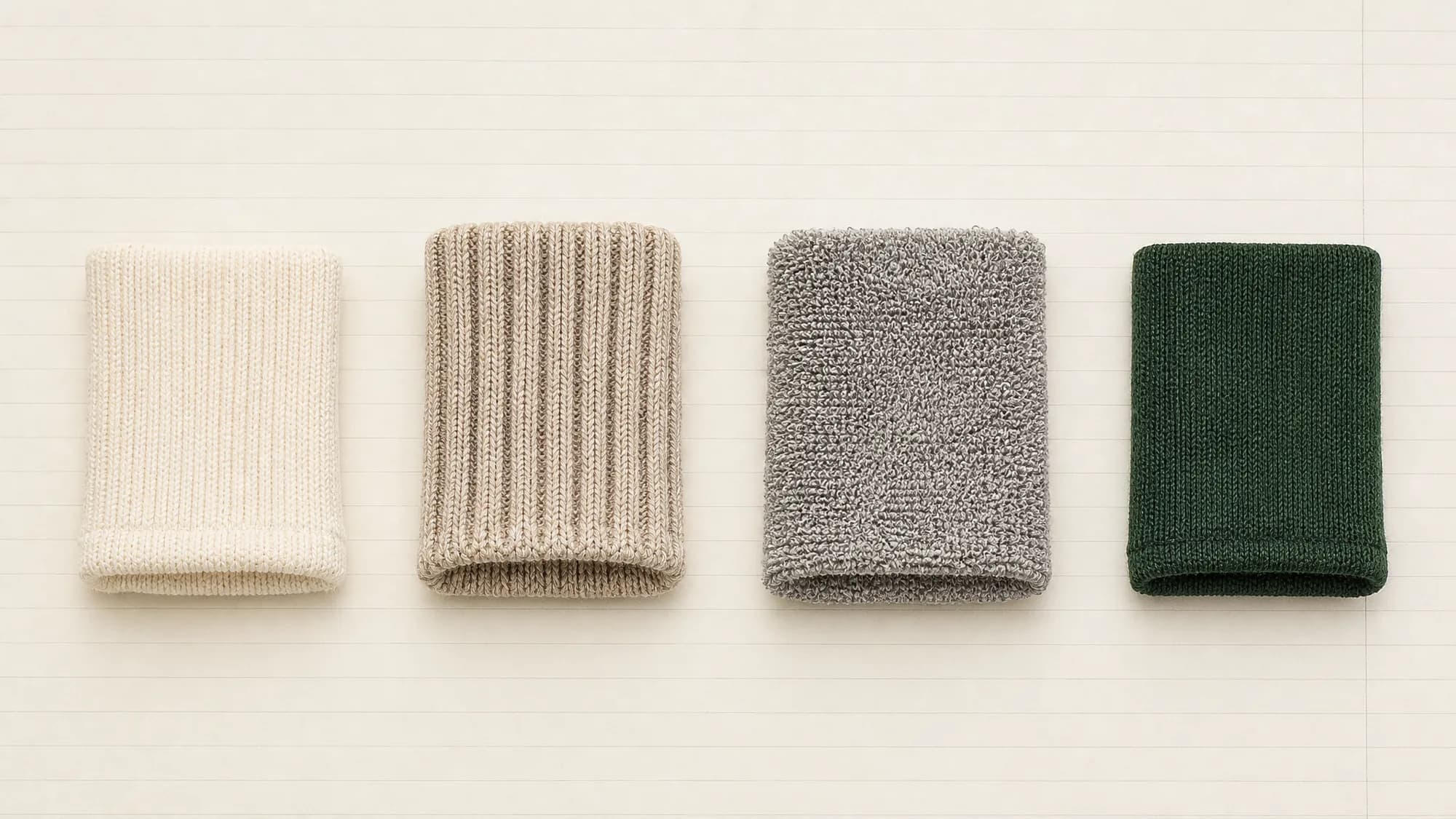
Four folded sock cuffs arranged in an evenly spaced row on ruled paper, each a different knit structure.